

5 Types of Clothing You Should Never Wash Together (Laundry Mistakes)
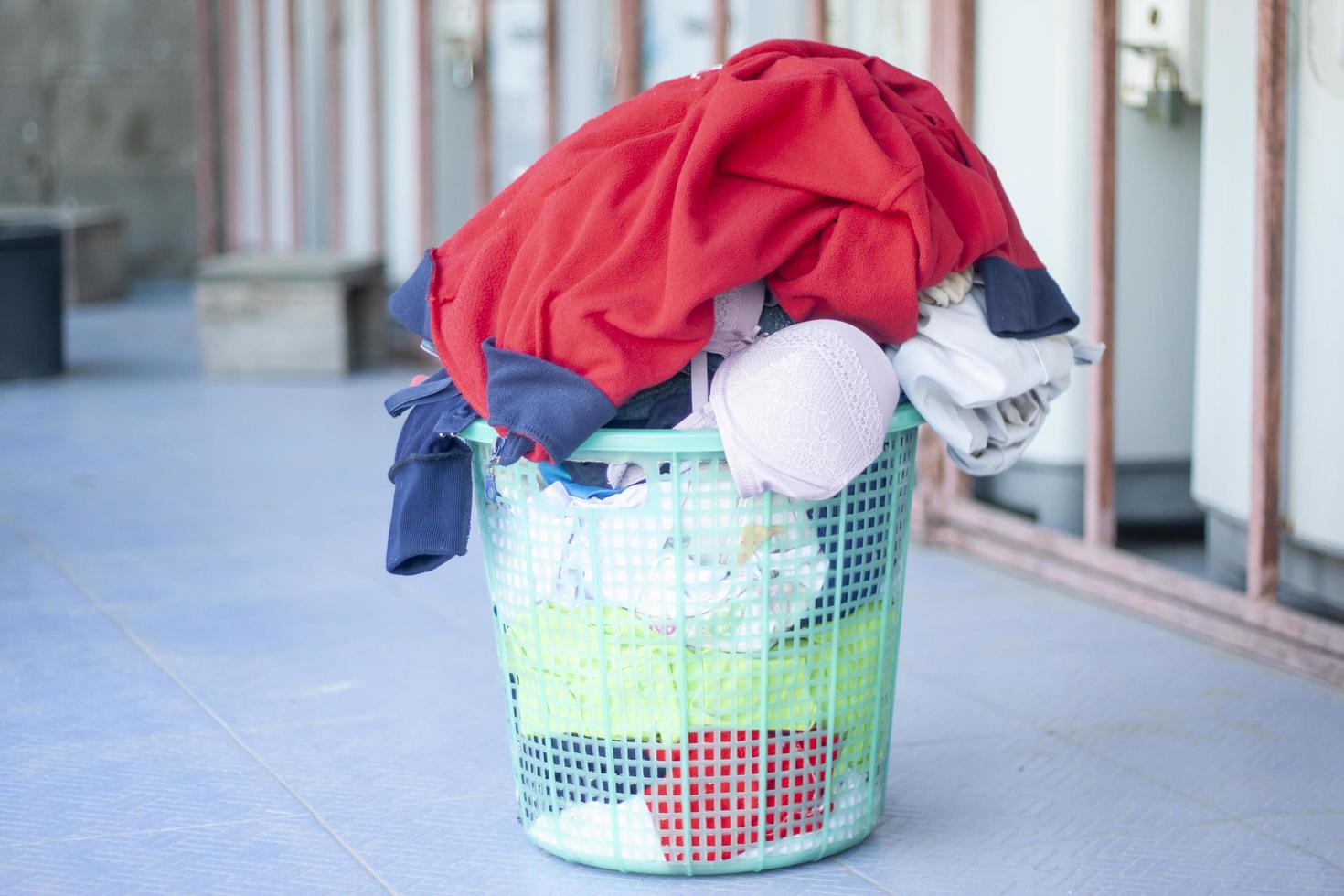
- Towels or Jeans + Delicates
- Bright or Dark Fabrics + White or Light Clothing
- Clothing + Bedding
- Heavily Soiled Items + Everyday Laundry
- New Items + Old Favorites
Towels or Jeans + Delicates
Washing towels or jeans together with delicate fabrics is one of the most damaging laundry habits, yet it happens in countless households every day. Towels and denim are heavy, abrasive, and water-absorbent, while delicates such as lingerie, silk tops, chiffon dresses, or lightweight activewear require gentle care. The problem begins during the wash cycle. Towels swell with water, becoming rough and heavy. When they tumble alongside delicate garments, the friction causes fiber breakage, stretching, and surface wear. Jeans add another layer of damage with their thick seams, metal zippers, and buttons, which act like sandpaper against softer fabrics. Over time, delicates washed this way lose their shape, develop fuzz or tiny holes, and feel noticeably thinner. Fabric care specialists report that delicate garments washed with heavy items can deteriorate twice as fast compared to proper washing. Another overlooked issue is lint transfer. Towels shed lint, which clings stubbornly to lightweight fabrics, making clothes look old even when freshly washed. Removing this lint later often requires extra washing or manual cleaning, further stressing the fabric. Simple sorting rules that protect your clothes start here: always separate heavy items like towels and jeans from delicate clothing. This single habit can dramatically extend the life of your most fragile garments.Heavy fabrics cause friction damage when washed with delicates
Why Fabric Weight Matters
Fabric weight determines how garments move inside the washing machine. Heavy items dominate the motion, pulling and twisting lighter fabrics in unnatural ways. This mechanical stress is invisible but highly destructive.The Hidden Cost of Ignoring This Rule
Replacing delicate clothing frequently costs far more than running one extra wash cycle. Long-term savings come from smarter sorting, not stronger detergents.Bright or Dark Fabrics + White or Light Clothing
Few laundry mistakes are as heartbreaking as opening the washer to find once-white clothes turned dull, grey, or tinted pink. Washing bright or dark fabrics with white or lightly colored clothing is a classic error that permanently alters garments. Dark dyes, especially from black, navy, red, and deep blue fabrics, can bleed during washing—even after multiple washes. While modern detergents reduce color transfer, they cannot fully prevent it. Light fabrics act like sponges, absorbing loose dye particles and losing their original brightness. Textile studies show that up to 60% of color fading and discoloration occurs due to improper sorting, not detergent quality. Once dye transfer happens, reversing it is extremely difficult and often impossible. Beyond color bleeding, washing lights with darks exposes pale fabrics to higher temperatures and harsher cycles meant for sturdy clothes. This combination weakens fibers and accelerates yellowing over time. Following simple sorting rules that protect your clothes means grouping laundry by color intensity. Whites deserve their own cycle, lights another, and darks a separate wash. This practice preserves color vibrancy, fabric strength, and overall garment appearance.Color bleeding permanently damages white and light fabrics
Why Cold Water Isn’t Always Enough
Many people assume cold water prevents color bleeding. While it helps, it doesn’t stop dye release completely—especially from saturated or new fabrics.Long-Term Effects on Fabric Brightness
Repeated exposure to loose dyes causes light fabrics to look aged, even when they are structurally intact.
Clothing + Bedding
Mixing clothing with bedding may seem harmless, but it creates multiple hidden problems that affect cleanliness and fabric care. Bedsheets, pillowcases, and duvet covers have very different washing needs compared to everyday clothing. Bedding is designed to trap dust, dead skin cells, body oils, and allergens. When washed with clothes, these particles redistribute, settling onto garments instead of being rinsed away. This reduces hygiene and can trigger skin irritation, especially for sensitive individuals. Another issue is uneven washing. Bedding tends to wrap around clothing items, creating tight bundles that prevent proper detergent distribution and rinsing. Clothes trapped inside these folds often come out partially dirty or poorly rinsed. Fabric wear is also a concern. Bedding usually requires longer wash cycles and higher water levels, which can overstress everyday garments. Over time, this leads to stretched collars, misshapen shirts, and weakened seams. Laundry professionals strongly recommend washing bedding separately to maintain hygiene standards and ensure effective cleaning. Applying simple sorting rules that protect your clothes keeps both bedding and garments cleaner, fresher, and longer-lasting.Bedding traps dirt and oils that can transfer to clothing
Hygiene Considerations Most People Ignore
Bedding carries more biological debris than most clothes, making separation essential for cleanliness.Why Separate Loads Improve Washing Efficiency
Separate loads allow proper agitation, detergent reach, and thorough rinsing.Heavily Soiled Items + Everyday Laundry
Washing heavily soiled items with everyday laundry is a common mistake that leads to lingering odors and dull fabrics. Items like gym clothes, work uniforms, kitchen towels, and outdoor wear often carry grease, bacteria, and stubborn dirt. When mixed with lightly worn clothing, contaminants transfer during the wash cycle. Instead of removing grime, the machine spreads it across the entire load. This results in clothes that look clean but smell unpleasant or feel grimy. Studies in fabric hygiene show that bacteria from heavily soiled items can survive standard wash cycles if not treated separately. This not only affects cleanliness but can also shorten fabric life and cause recurring odors. Additionally, heavily soiled items often require stronger detergents, longer cycles, or higher temperatures. Subjecting everyday clothing to these conditions accelerates fading and fiber damage. Using simple sorting rules that protect your clothes means isolating heavily soiled laundry. Pre-treating and washing them separately ensures true cleanliness and preserves the quality of your regular wardrobe.Dirt and bacteria spread when heavily soiled items mix with clean clothes
The Science Behind Odor Retention
Bacteria embed themselves in fabric fibers, reactivating odor when clothes warm up.Why “Looks Clean” Isn’t Always Clean
Visual cleanliness doesn’t guarantee hygiene or fabric health.New Items + Old Favorites
Washing new clothing with old favorites is a subtle but serious mistake. New garments often contain excess dyes, chemical finishes, and fabric treatments that release during the first few washes. When mixed with older clothes, these substances transfer easily. Older fabrics, already slightly worn, absorb dyes more readily, leading to uneven discoloration and dullness. This is especially noticeable when new dark or bright items are washed with lighter, well-loved clothing. Manufacturers frequently recommend washing new clothes separately for the first few cycles, yet many people ignore this advice. The result is premature aging of older garments that were otherwise still in good condition. Protecting your wardrobe starts with respecting fabric maturity. Simple sorting rules that protect your clothes include isolating new items until excess dye and chemicals wash out.New clothes release dyes that damage older garments
Why First Washes Are Critical
Initial washes release the highest amount of dye and chemical residue.Preserving Sentimental and High-Value Clothing
Separating new items protects irreplaceable favorites from unexpected damage.FAQs
Q1: Why is sorting laundry so important?
A: Sorting prevents color bleeding, fabric damage, odor transfer, and extends garment lifespan.
Q2: Can I wash jeans with towels?
A: No. Both are heavy fabrics and cause friction damage to lighter items when mixed.
Q3: Is cold water enough to prevent color bleeding?
A: Cold water helps but does not fully stop dye transfer from dark or new clothes.
Q4: Should bedding always be washed separately?
A: Yes. Bedding carries oils, allergens, and requires different wash conditions.
Q5: How many times should new clothes be washed separately?
A: At least the first two to three washes to remove excess dye and chemicals.
Q6: What happens if I mix heavily soiled clothes with clean ones?
A: Dirt and bacteria spread, causing lingering odors and reduced hygiene.
Q7: Do sorting rules really save money?
A: Yes. Proper sorting reduces replacement costs and prolongs clothing life.
Pros & Cons of Proper Laundry Sorting
Pros:
Improves fabric lifespan, preserves color, enhances hygiene, reduces odors, and saves money long-term.
Cons:
Requires extra time, more loads, and slightly higher water usage—but benefits outweigh drawbacks.
Conclusion
Laundry mistakes don’t announce themselves immediately. They show up slowly—as faded colors, stretched fabrics, rough towels, and clothes that never feel truly clean. By following simple sorting rules that protect your clothes, you take control of your wardrobe’s health and longevity.
Separating the wrong combinations may seem inconvenient, but it’s a small investment with lasting rewards. Your clothes will look better, feel better, and last longer—saving you money and frustration in the long run.
Start today. Sort smarter. Protect what you wear.
Internal & External Linking Suggestions
Suggested Internal Blog Topics:
-
How to Read Laundry Care Labels Correctly
-
Best Detergents for Different Fabric Types
-
How Often Should You Wash Towels and Bedding
-
Cold vs Hot Water Washing Explained
-
Laundry Mistakes That Ruin Clothes Fast
Suggested External High-Authority Site Types:
-
Textile care research organizations
-
Home appliance manufacturer blogs
-
Consumer protection agencies
-
Fabric science publications
-
Home and lifestyle authority websites

No comments:
Post a Comment