

Drumstick Tree (Moringa Oleifera): Health Benefits, Uses & Complete Growing Guide

Introduction
The Drumstick Tree, scientifically known as Moringa oleifera, is often called the “Miracle Tree” or “Tree of Life” due to its extraordinary nutritional, medicinal, and economic value. Almost every part of this tree—leaves, pods, seeds, flowers, bark, and roots—offers immense health and commercial benefits.
Native to the Indian subcontinent, the drumstick tree is now widely cultivated across Asia, Africa, and tropical regions worldwide. It is especially popular in South Asia, including Bangladesh and India, where it is used both as a vegetable and a traditional medicine.
This comprehensive guide covers everything you need to know about the drumstick tree, including its botanical profile, health benefits, cultivation methods, nutritional value, uses, and commercial importance, written with SEO best practices and Google AdSense compliance in mind.

Botanical Profile of Drumstick Tree
-
Common Name: Drumstick Tree, Moringa
-
Botanical Name: Moringa oleifera
-
Family: Moringaceae
-
Plant Type: Fast-growing deciduous tree
-
Height: 8–12 meters
-
Lifespan: 20–30 years
-
Climate: Tropical to subtropical
Origin and Distribution
Moringa oleifera originated in the foothills of the Himalayas in northern India. Over centuries, it spread to Africa, Southeast Asia, the Middle East, and South America due to its remarkable adaptability and usefulness.
Today, moringa is grown extensively for:
-
Nutritional supplements
-
Vegetable production
-
Medicinal products
-
Animal feed
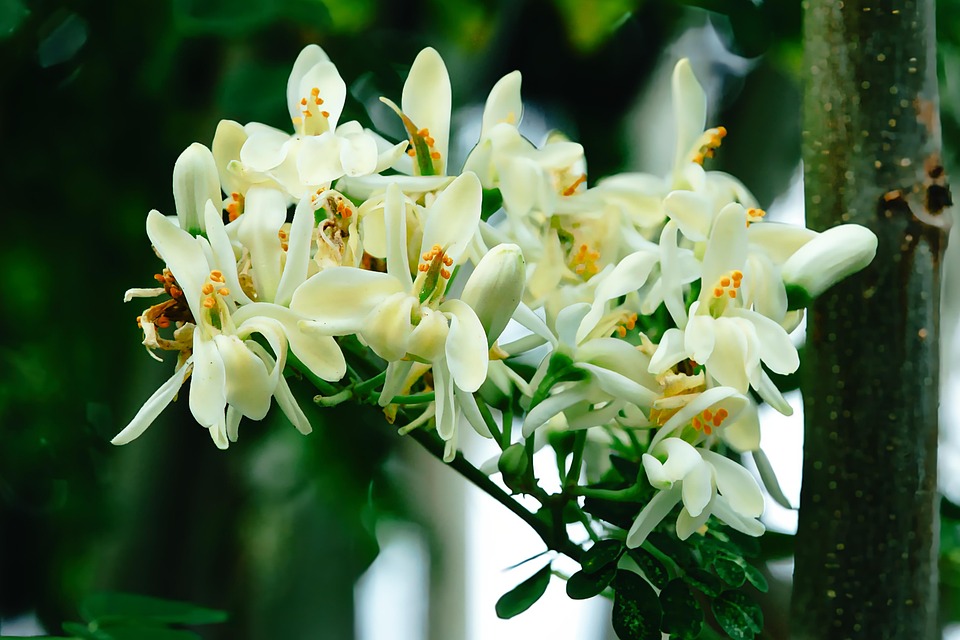
Physical Characteristics of Drumstick Tree
The drumstick tree is known for its slender trunk, soft wood, and feathery green leaves.
Key Features:
-
Leaves: Small, oval, deep green, highly nutritious
-
Flowers: Creamy-white, fragrant, rich in nectar
-
Fruits (Pods): Long, green, drumstick-shaped
-
Seeds: Round with wings, rich in oil
The tree grows extremely fast and can be harvested within 6–8 months after planting.
Types and Varieties of Drumstick Tree
1. PKM-1
-
High-yield variety
-
Long pods
-
Suitable for commercial farming
2. PKM-2
-
Fast-growing
-
High leaf production
3. Local Varieties
-
Widely grown in home gardens
-
Strong flavor and adaptability
Climate and Soil Requirements
Climate
-
Optimal temperature: 25°C–35°C
-
Tolerates drought
-
Sensitive to frost
Soil
-
Well-drained sandy or loamy soil
-
pH range: 6.0–7.5
-
Avoid waterlogged areas
Propagation Methods
1. Seed Propagation
-
Most common method
-
Germination within 7–10 days
-
Fruit bearing in 6–8 months
2. Cutting Propagation
-
Faster establishment
-
Suitable for large-scale farming
Land Preparation and Planting
Land Preparation
-
Deep plowing
-
Organic manure application
-
Proper drainage
Planting Spacing
-
Leaf production: 1 × 1 meter
-
Pod production: 2.5 × 2.5 meters
Irrigation and Fertilization
Irrigation
-
Light but regular watering
-
Avoid overwatering
Fertilization
-
Organic compost preferred
-
Nitrogen-rich fertilizers improve leaf yield
Pruning and Maintenance
Pruning is essential for:
-
Bushy growth
-
Higher leaf production
-
Easy harvesting
First pruning should be done at 60–70 cm height.
Flowering, Pollination, and Harvesting
-
Flowering begins within 4–6 months
-
Pods ready for harvest in 6–8 months
-
Leaves can be harvested multiple times per year
Nutritional Value of Drumstick Leaves
Per 100g of fresh moringa leaves:
-
Protein: 9 g
-
Calcium: 185 mg
-
Iron: 4 mg
-
Vitamin A
-
Vitamin C
-
Potassium
Moringa leaves contain more vitamin C than oranges and more calcium than milk.

Health Benefits of Drumstick Tree
1. Boosts Immunity
Rich in antioxidants and vitamins.
2. Controls Blood Sugar
Helps manage diabetes naturally.
3. Improves Digestion
Supports gut health and metabolism.
4. Strengthens Bones
High calcium and magnesium content.
5. Supports Heart Health
Reduces cholesterol and blood pressure.
6. Enhances Skin and Hair Health
Promotes natural glow and strength.
Medicinal Uses of Drumstick Tree
-
Leaves used for anemia and malnutrition
-
Seeds purify drinking water
-
Bark used in traditional medicine
-
Flowers used for cold and flu remedies
Culinary Uses of Drumstick
-
Pods used in curries and soups
-
Leaves cooked as vegetables
-
Flowers used in fritters
-
Powder used in smoothies and supplements
Drumstick Tree in Organic Farming
Moringa is widely used in:
-
Organic fertilizers
-
Natural plant growth enhancers
-
Animal feed supplements
Economic Importance and Commercial Value
Drumstick farming offers:
-
Low investment
-
Quick returns
-
Multiple harvests per year
-
Strong export demand
Moringa products include:
-
Leaf powder
-
Oil (Ben oil)
-
Capsules and teas
Pests and Diseases
Common Problems:
-
Aphids
-
Caterpillars
-
Leaf spot disease
Control Methods:
-
Neem oil spray
-
Organic pest management
-
Regular monitoring
Environmental Benefits
-
Prevents soil erosion
-
Improves soil fertility
-
Drought-resistant
-
Supports sustainable agriculture
Drumstick Tree in Home Gardening
Perfect for:
-
Backyard gardens
-
Rooftop farming
-
Small kitchen gardens
It grows well even in large containers with proper care.
Post-Harvest Handling and Storage
-
Leaves should be dried in shade
-
Pods stored in cool places
-
Powder stored in airtight containers
Conclusion
The Drumstick Tree (Moringa oleifera) is truly a super plant that supports health, nutrition, environment, and income generation. Its fast growth, low maintenance, and extraordinary benefits make it one of the best trees for home gardeners and commercial farmers alike.
Whether you are growing it for personal use or business, moringa offers unmatched value with long-term sustainability and profit potential.

No comments:
Post a Comment