

DECOR > PAINTING
How to Spray Paint a Mirror Frame for a Stunning Painting Design
By SALAUDDIN KAWSAR ǀ Published on 01/31/2026
Introduction
A mirror can instantly change the mood of a room—but an outdated or dull frame often does the opposite. Many homeowners, renters, office managers, and even students overlook one simple upgrade that can dramatically refresh a space: spray painting a mirror frame. With the right technique, you can transform an old mirror into a modern statement piece without replacing it or spending a fortune.
Spray painting isn’t just about color. It’s about painting design, texture, finish, and personality. A well-painted mirror frame can complement minimalist interiors, brighten up workspaces, or add elegance to bedrooms and dressing areas—especially for girls and women who love personalized décor. Even business owners and freelancers use painted mirrors to elevate reception areas and home offices.
The best part? You don’t need professional experience. With proper preparation, safety awareness, and a little patience, anyone can achieve a smooth, factory-like finish. In this guide, you’ll learn how to spray paint a mirror frame correctly, avoid common mistakes, and create a long-lasting result that looks intentional—not DIY gone wrong.

In This Article
- Project Overview
- Materials and Surface Preparation
- Safety Considerations Before You Start
- What You’ll Need for Spray Painting
- Instructions: How to Spray Paint a Mirror Frame
- Tips for a Professional Painting Design Finish
Project Overview
Spray painting a mirror frame is a small project with big visual impact. Whether the frame is wood, metal, or plastic, the goal is the same: to create a smooth, even finish that enhances the mirror rather than distracting from it. This project typically takes one afternoon, plus drying time, making it ideal for busy homeowners, service holders, or students working on weekends. The real value of this project lies in design flexibility. A single mirror can be styled to suit different environments—matte black for offices, soft gold for bedrooms, or crisp white for modern living rooms. Unlike replacing a mirror, spray painting allows you to adapt your décor as trends change, similar to how gardeners rotate crops like kale or broccoli to suit seasons and needs. The frame becomes reusable, not disposable. Professionals often note that refreshed mirrors improve perceived space and lighting. According to interior styling studies, reflective surfaces framed in lighter or metallic tones can make small rooms feel up to 20% more open. That’s a powerful result for such a low-cost upgrade. What matters most in this overview stage is understanding that preparation determines outcome. Rushing into painting without planning leads to drips, uneven texture, or peeling later. When done correctly, however, spray painting delivers a durable, polished look that rivals store-bought frames.Materials and Surface Preparation
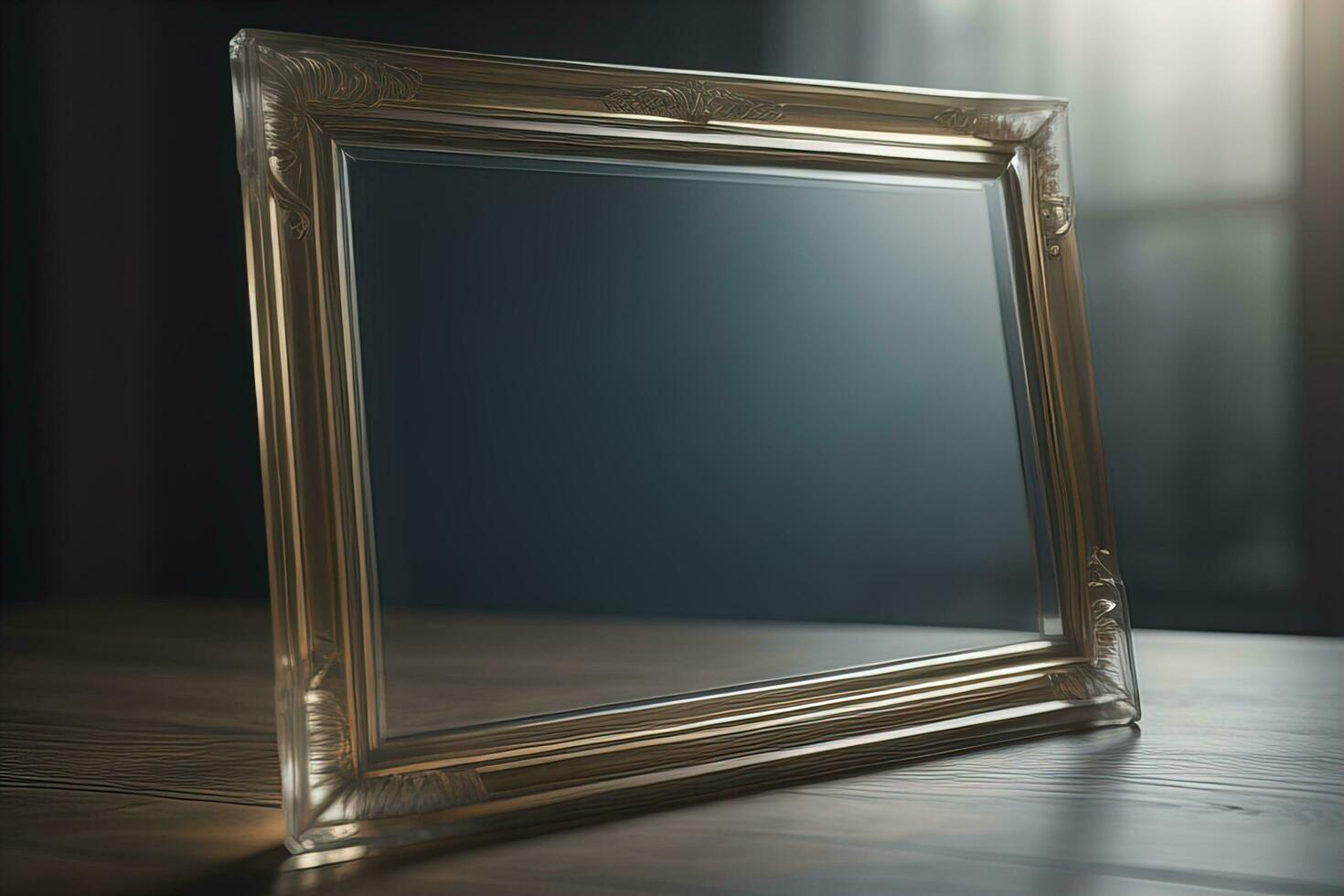
Surface preparation is the foundation of every successful painting design project. Even the best spray paint cannot hide dirt, grease, or old peeling finishes. Professionals often say that 70% of painting success happens before the first spray. Start by closely examining your mirror frame. Older frames often carry invisible residues from cleaning products, hand oils, or dust. These contaminants prevent paint from bonding properly. Cleaning with a mild degreaser or soap solution removes this layer and ensures better adhesion. If the frame has a glossy or sealed surface, light sanding is essential. This doesn’t mean stripping it down completely—it simply creates microscopic texture so the paint can grip. Think of it like preparing soil before planting vegetables such as broccoli; without loosening the surface, growth—or in this case, paint—struggles to hold. Any cracks or chips should be addressed before painting. Ignoring imperfections only amplifies them once the paint dries. Professionals often emphasize thatspray paint highlights flaws rather than hiding them, which is why careful prep separates amateur results from professional ones. Once cleaned and sanded, the frame should be completely dry. Moisture trapped beneath paint layers can lead to bubbling or peeling weeks later. Taking time here saves frustration and ensures your final mirror frame looks smooth, intentional, and long-lasting.
Clean and sanded mirror frame ready for painting
Safety Considerations Before You Start
[Insert Image: spray painting safety precautions] Spray painting may look simple, but safety should never be overlooked. Paint fumes contain chemicals that can irritate the lungs, eyes, and skin, especially in enclosed spaces. This is why professionals always recommend working outdoors or in a well-ventilated area. Protective gear matters more than many beginners realize. Even short exposure to aerosol particles can cause headaches or dizziness. Using a basic mask and gloves significantly reduces risk, making the project safer for students, freelancers, and home users alike. Another important consideration is surface protection. Overspray travels farther than expected and can permanently stain floors, walls, or nearby furniture. Many first-time painters underestimate how fine paint mist spreads, only to discover unwanted speckles afterward. Fire safety is also critical. Spray paints are flammable and should never be used near open flames or high heat. Always read the manufacturer’s instructions, especially regarding drying times and ventilation requirements. A calm, prepared environment allows you to focus on precision and design, rather than rushing or correcting preventable mistakes. Safe practices don’t slow the project—they protect your health and ensure better results.What You’ll Need for Spray Painting
The tools you choose directly influence the quality of your final finish. While spray painting doesn’t require expensive equipment, using the right materials makes a noticeable difference. A high-quality spray paint designed for your frame’s material is essential. Wood, metal, and plastic each require different formulations for proper adhesion. Using the wrong type may look fine initially but often chips within weeks. Primer is another often-skipped element that professionals swear by. It creates a neutral base, enhances color accuracy, and improves durability. Frames painted without primer are more likely to show uneven tones or wear marks over time. You’ll also need protective coverings such as drop cloths or old cardboard. These keep your workspace clean and allow you to move freely while spraying. Gloves and masks, though simple, protect you from prolonged exposure. Having everything ready before you begin prevents interruptions. Stopping midway to search for supplies can disrupt drying times and lead to inconsistent finishes. Preparation here supports a smoother workflow and a more refined painting design outcome. ---Instructions: How to Spray Paint a Mirror Frame
The actual spray painting process is where technique matters most. Professionals recommend starting with light, even coats, rather than trying to cover the frame in one pass. This approach prevents drips and creates a smoother texture. Hold the spray can at a consistent distance and keep your hand moving. Stopping in one spot too long causes paint buildup, which is difficult to fix once dried. The goal is to let layers build gradually, allowing each coat to dry according to the manufacturer’s instructions. Patience is key. Many beginners rush re-coating, but slightly longer drying times produce stronger adhesion and better durability. Experts often compare this to cooking or gardening—rushing the process weakens the final result, much like harvesting kale too early affects quality. Once the final coat is applied, the frame should be left undisturbed. Touching or reassembling too soon can leave fingerprints or impressions that permanently affect the finish. When fully cured, the frame reveals its transformation. What was once outdated now looks intentional, stylish, and professionally finished—proof that spray painting is both an art and a discipline.Applying light coats for a smooth spray-painted finish
Tips for a Professional Painting Design Finish
Professional results come from small habits that beginners often ignore. One of the most effective tips is temperature awareness. Spray paint performs best in moderate conditions; extreme heat or cold affects drying and texture.
Another key tip is color testing. Spraying a sample on cardboard helps you understand how the color behaves under light. Many homeowners are surprised by how different a shade looks once dry, especially metallic or satin finishes.
Rotating the frame while painting ensures even coverage. Shadows and angles can hide missed spots that only become visible after drying. Professionals frequently inspect frames from multiple angles to catch imperfections early.
Finally, knowing when to stop is crucial. Overworking a nearly perfect coat often causes more harm than good. Trust the process, allow proper curing, and resist the urge to “fix” minor issues too quickly.
These habits elevate your work from casual DIY to polished painting design, suitable for homes, offices, and professional environments.
FAQs
Is spray painting a mirror frame durable?
Yes, when properly prepared and sealed, spray-painted frames can last for years without chipping.
Can I spray paint a mirror frame without removing the glass?
It’s possible, but masking carefully is essential to avoid overspray.
What finish looks most professional?
Matte and satin finishes tend to hide imperfections better than high-gloss.
How long should I wait before hanging the mirror?
Most professionals recommend waiting at least 24–48 hours after the final coat.
Is spray painting safe indoors?
Only with excellent ventilation; outdoor spaces are always safer.
Can beginners achieve good results?
Absolutely. Preparation and patience matter more than experience.
Pros & Cons
Pros
-
Budget-friendly upgrade
-
Customizable painting design
-
Quick transformation
-
Suitable for multiple spaces
Cons
-
Requires ventilation
-
Drying time needed
-
Mistakes show if rushed
Conclusion
Spray painting a mirror frame is more than a decorative update—it’s a creative expression that adds value, personality, and freshness to any space. With thoughtful preparation, safe practices, and attention to detail, anyone can achieve a finish that looks intentional and professional.
Whether you’re upgrading a home, refreshing an office, or experimenting with painting design for the first time, this project proves that small changes can make a powerful impact. Take your time, trust the process, and enjoy the transformation.
If this guide helped you, share it, leave a comment, or explore more DIY and home design articles to keep improving your space.
Internal & External Linking Suggestions
Internal Link Ideas
-
How to Refresh Old Home Décor on a Budget
-
Beginner-Friendly DIY Painting Projects
-
Best Color Choices for Small Rooms
-
Office Décor Ideas for Productivity
-
How to Maintain Painted Surfaces
External Authority Site Types
-
Home improvement magazines
-
Professional painting associations
-
Interior design research platforms
-
Safety and ventilation guidelines sites
-
DIY education portals

No comments:
Post a Comment