

How to Wash Your Wool Sweater Properly Without Shrinking It
By SALAUDDIN KAWSAR ǀ Published on 01/04/2026
Introduction
Wool sweaters are timeless, cozy, and elegant—but they are also one of the most misunderstood clothing items when it comes to cleaning. One wrong wash cycle, a splash of hot water, or a careless spin in the dryer can instantly turn a soft wool sweater into a stiff, shrunken version of itself. Many people learn this lesson the hard way.
In today’s busy lifestyle, students, working women, freelancers, and professionals often rely on quick laundry solutions. Unfortunately, wool doesn’t forgive shortcuts. Unlike cotton or synthetic fabrics, wool fibers react strongly to heat, friction, and harsh detergents. This is why proper cleaning techniques matter more than ever.
The good news? Washing a wool sweater safely is not complicated—it simply requires the right knowledge, patience, and gentle handling. When you understand how wool fibers behave, you can confidently clean your sweaters at home without fear of damage.
In this detailed guide, you’ll learn how to wash your wool sweater so it doesn’t shrink, whether by hand or machine. You’ll also discover expert-approved tips, real-life examples, and long-term care strategies to keep your wool garments looking fresh, soft, and stylish for years.

Proper wool cleaning prevents shrinking and fabric damage
- Why Wool Sweaters Shrink During Cleaning
- Understanding Wool Fiber Before Washing
- Preparing Your Wool Sweater for Washing
- How to Hand Wash a Wool Sweater Safely
- Machine Washing Wool Without Damage
- Drying Wool Sweaters the Right Way
- Common Wool Washing Mistakes to Avoid
- Long-Term Wool Care and Storage Tips
Why Wool Sweaters Shrink During Cleaning
Wool shrinking is not a mystery—it is a scientific reaction caused by fiber structure. Wool fibers are covered with microscopic scales. When exposed to heat, water, and agitation, these scales open up, lock together, and tighten permanently. This process is known as felting. Many people assume that detergent alone causes shrinkage, but the real culprits are hot water and friction. Even gentle detergents cannot protect wool if the temperature is too high. This is why traditional laundry habits often fail with wool garments. Real-life data supports this. Textile research shows that wool fibers can shrink by up to 30% when washed incorrectly. Once this happens, the damage is irreversible. That’s why prevention is the only solution. Understanding shrinkage is the foundation of proper cleaning practices. When you know what causes damage, you can confidently avoid it.
Heat and friction cause wool fibers to lock and shrink
Understanding Wool Fiber Before Washing
Wool is a natural protein fiber, similar to human hair. This means it reacts emotionally—almost sensitively—to how it’s treated. Unlike synthetic fabrics, wool absorbs moisture easily but releases it slowly, making gentle handling essential. High-quality wool sweaters are designed to breathe, insulate, and regulate temperature. However, these same benefits make them vulnerable during cleaning. Wool dislikes sudden changes, especially temperature shifts from warm to cold. Another overlooked factor is dye stability. Aggressive washing can cause fading or uneven color patches. That’s why professionals recommend cold water, gentle detergent, and minimal movement. When treated correctly, wool sweaters can last 10–15 years, making them a smart investment for students, professionals, and fashion-conscious women alike.
Natural wool fibers require gentle care
Preparing Your Wool Sweater for Washing
Preparation is often skipped, yet it determines the success of the entire cleaning process. Before washing, always inspect your sweater under good lighting. Small stains, especially oil or makeup marks, should be addressed early. Pre-treat stains and handle gently to keep wool looking fresh and lasting longer. Use a diluted wool-safe detergent and gently press it into the stain—never rub aggressively. Rubbing increases friction, which accelerates fiber locking. Turn the sweater inside out to protect the outer surface. This reduces abrasion during washing. Checking the care label is also essential, even for experienced owners. Some wool blends require extra caution. Preparation may take a few minutes, but it can save your favorite sweater from permanent damage.
Proper preparation prevents washing damage
How to Hand Wash a Wool Sweater Safely
Hand washing remains the gold standard for wool cleaning. It gives you complete control over temperature, movement, and timing. Use cold water, gentle detergent, and a mesh bag to machine or hand wash wool sweaters safely. Fill a basin with cold water, add a wool-specific detergent, and gently submerge the sweater. Let it soak rather than scrub. Light pressing motions help release dirt without stressing fibers. Avoid wringing at all costs. Wringing twists fibers, causing irreversible distortion. Hand washing may feel old-fashioned, but it’s the safest option for premium wool garments.
Hand washing offers maximum fiber protection
Machine Washing Wool Without Damage
Modern washing machines can clean wool safely—if used correctly. Always select the wool or delicate cycle. These cycles minimize agitation and maintain low temperatures. Place the sweater inside a mesh laundry bag for extra protection. This prevents friction against other garments. Use a detergent designed specifically for wool or delicate fabrics. Avoid overloading the machine. Wool needs space to move gently. Overcrowding increases friction, leading to shrinkage. When done right, machine washing saves time while preserving garment quality.
Mesh bags reduce friction during machine washing
Drying Wool Sweaters the Right Way
Drying is where most wool sweaters are ruined. Heat from dryers causes rapid fiber contraction. Always air dry flat after pressing out moisture with a towel to avoid shrinking or warping. Place the sweater on a clean towel, roll gently to absorb water, then reshape it to original dimensions. Drying flat maintains structure and prevents stretching. Hanging wool sweaters leads to shoulder distortion due to water weight. Patience is key—air drying may take longer, but the results are worth it.
Flat drying keeps wool sweaters in shape
Common Wool Washing Mistakes to Avoid
One of the biggest mistakes is treating wool like everyday clothing. Hot water, harsh detergents, and fast spin cycles are disastrous. Another frequent error is washing wool too often. Wool is naturally odor-resistant and doesn’t require frequent cleaning. Overwashing weakens fibers over time. Ignoring storage conditions also affects longevity. Improper storage can undo even the best cleaning efforts.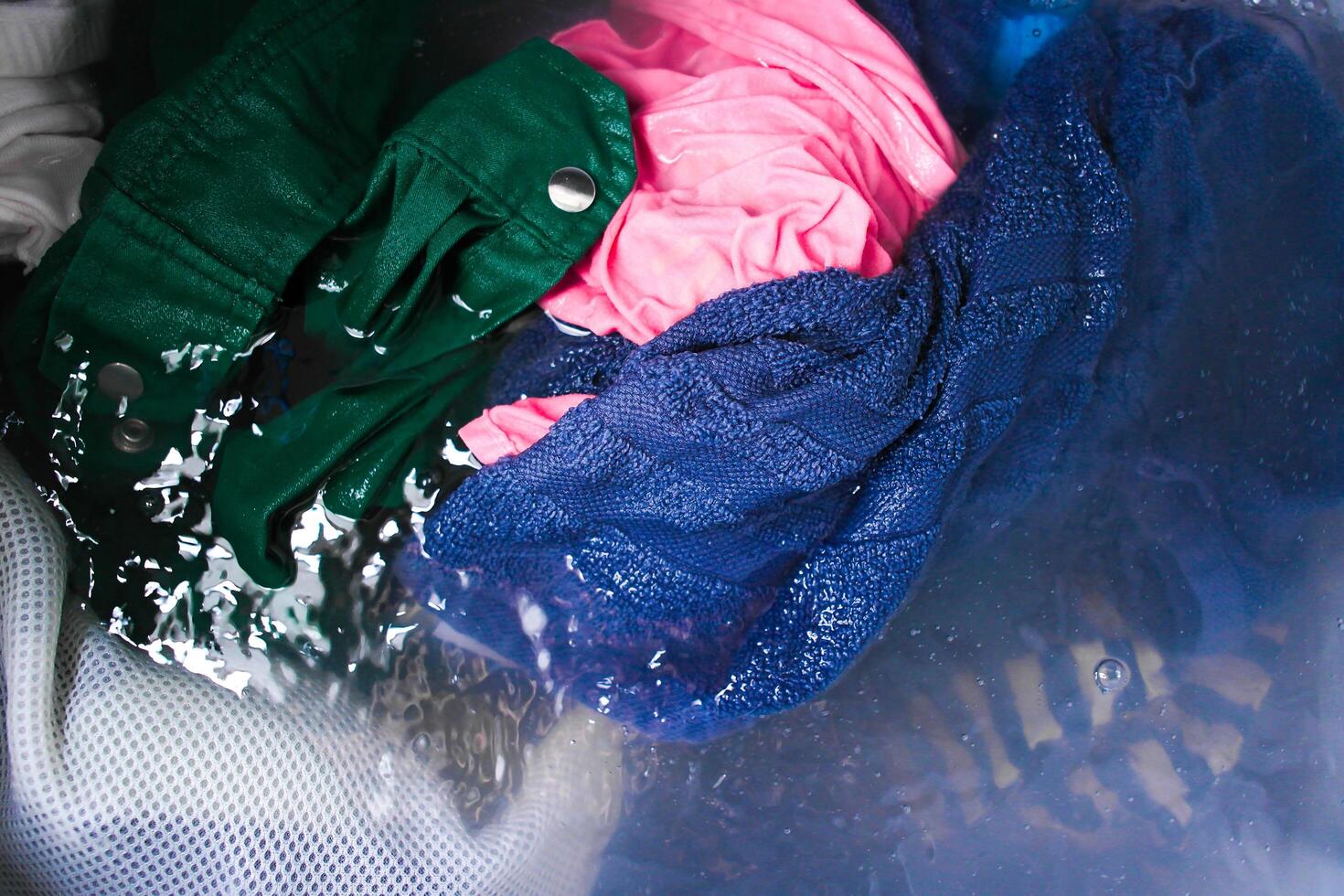
Avoid habits that damage wool fibers
Long-Term Wool Care and Storage Tips
Long-term care ensures your wool sweaters remain soft and stylish. Store them folded, not hung, in breathable cotton bags. Avoid plastic containers that trap moisture. Occasionally air out sweaters instead of washing them. This refreshes fibers naturally. Cedar or lavender sachets help repel moths without harsh chemicals. With proper care, wool becomes more comfortable over time—proof that gentle cleaning practices truly pay off.Correct storage extends sweater lifespan
FAQs (Schema-Friendly)
Q1: Can wool sweaters be washed at home safely?
Yes, with cold water, gentle detergent, and minimal agitation.
Q2: Why does wool shrink so easily?
Heat and friction cause fiber scales to lock together.
Q3: Is hand washing better than machine washing for wool?
Hand washing offers maximum control, but gentle machine cycles are safe.
Q4: Can I use regular detergent on wool?
No, always use wool-safe or gentle detergent.
Q5: How often should wool sweaters be washed?
Only when necessary—wool resists odor naturally.
Q6: Can a shrunken wool sweater be fixed?
Unfortunately, shrinkage is usually permanent.
Q7: Is air drying mandatory for wool?
Yes, dryers cause irreversible shrinkage and warping.
Pros & Cons of Washing Wool at Home
Pros:
Maintains fabric quality, saves money, extends garment lifespan, eco-friendly.
Cons:
Requires patience, gentle handling, and extra drying time.
Final Conclusion
Caring for wool sweaters is an act of respect—for the garment and for your investment. When you understand the science behind wool fibers and follow gentle cleaning techniques, shrinkage becomes completely avoidable.
By using cold water, minimal movement, proper drying, and mindful storage, your wool sweaters can remain beautiful for years. Whether you’re a student, working professional, or style-conscious woman, these habits elevate your wardrobe care.
Start treating wool with intention today—and enjoy sweaters that last a lifetime.
Internal & External Linking Suggestions
Internal Blog Topics:
-
How to Wash Delicate Fabrics at Home
-
Winter Clothing Care Tips
-
Sustainable Laundry Practices
-
Capsule Wardrobe Maintenance
-
Fabric Care Guide for Beginners
External High-Authority Site Types:
-
Textile research institutions
-
Fashion sustainability organizations
-
Home care product manufacturers
-
Consumer fabric care guides
-
Educational lifestyle publications

No comments:
Post a Comment