

DECOR > KITCHEN
Small Kitchen Organization Ideas on a Low Budget | Practical Kitchen Design
By SALAUDDIN KAWSAR ǀ Published on 16/12/2026
A small kitchen should feel efficient, welcoming, and easy to use—not cramped or chaotic. Yet for many households, limited storage, narrow counters, and overcrowded cabinets make daily cooking feel harder than it needs to be. The good news is that smart Kitchen Design is less about how much space you have and more about how well that space works for you.
The most functional kitchens are not always the biggest ones. They are thoughtfully organized, carefully edited, and designed around real habits. This approach is at the heart of The Spruce–style home philosophy: practical, approachable, and realistic for everyday living. With a few low-cost changes, even the smallest kitchen can feel calmer, cleaner, and far more efficient.
Whether you are managing a family home, a rented apartment, a student kitchen, or a shared workspace, organization is the foundation of good design. Studies show that organized kitchens reduce cooking time and food waste while improving overall household routines. This guide focuses on small kitchen organization ideas on a low budget, using walls, doors, cabinets, drawers, countertops, and pantry spaces in smart, achievable ways that look good and work even better.
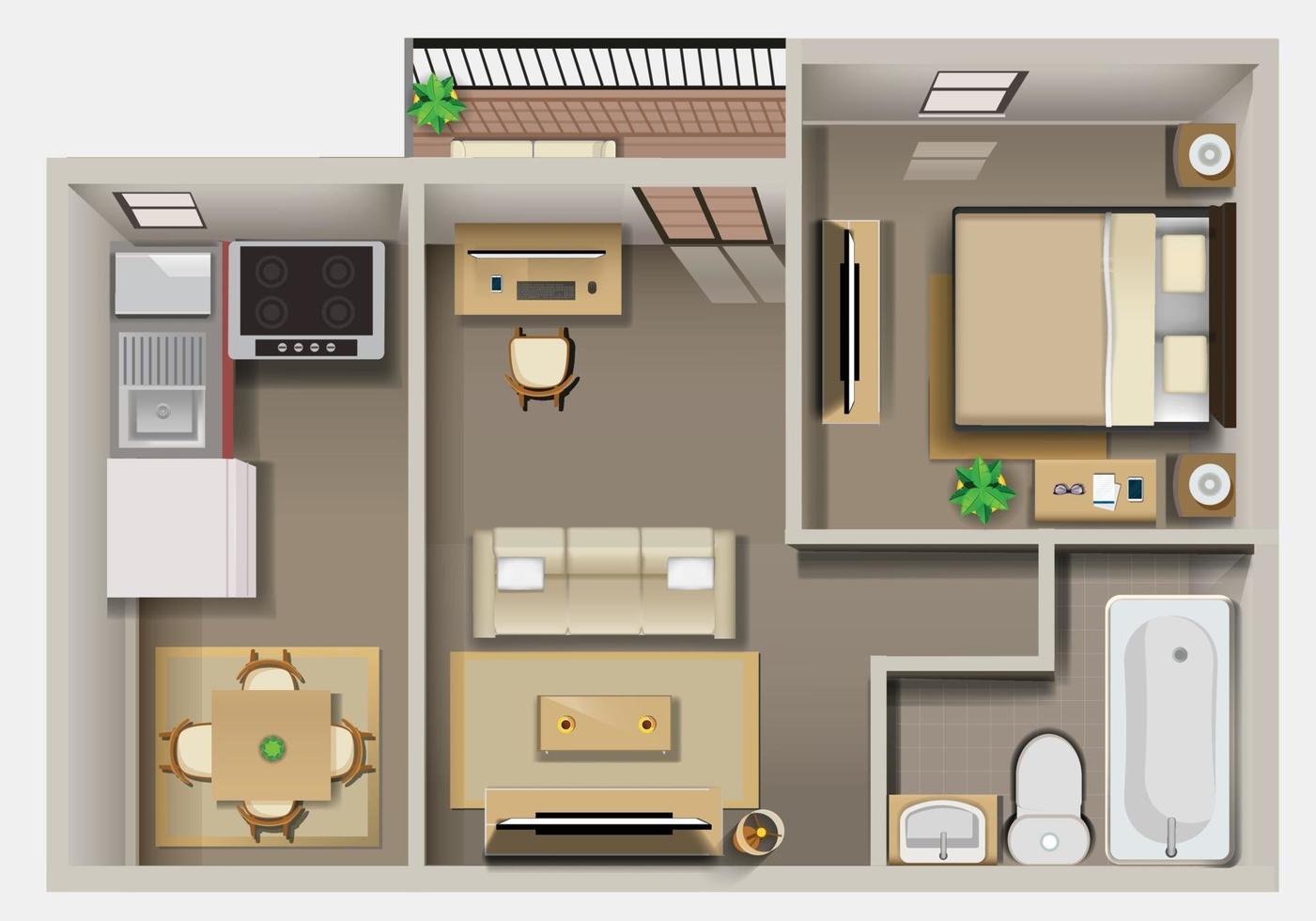
In a small kitchen, design decisions matter more because there is very little room for error. Smart Kitchen Design focuses on function first—how you move, cook, clean, and store items daily. When storage matches real habits, even a compact kitchen can feel surprisingly spacious.
Professional organizers often emphasize that clutter is not a space problem but a system problem. When items do not have clear, logical homes, countertops and cabinets quickly become overloaded. A well-designed kitchen creates zones for cooking, prep, cleaning, and storage, making everyday tasks smoother.
Research in home efficiency suggests that organized kitchens can reduce meal preparation time by up to 25 percent. For service holders, freelancers, and students balancing busy schedules, this time savings adds up quickly. More importantly, an orderly kitchen reduces stress and decision fatigue.
In real homes, smart design often begins with editing. Removing duplicates, broken tools, and rarely used items immediately creates breathing room. Once the excess is gone, it becomes easier to see how shelves, cabinets, and drawers can work more effectively.
https://pixabay.com/images/download/real-estate-9563989_1920.jpgGood design also considers visual calm. Neutral storage containers, consistent materials, and uncluttered surfaces help small kitchens feel larger. The goal is not perfection but ease—an environment that supports daily life without demanding constant maintenance.
When floor space is limited, the walls become one of the most valuable storage assets in a kitchen. Wall & Door Solutions (Freeing Counter Space) allow you to keep essential tools close without sacrificing work surfaces. These ideas are affordable, practical, and especially helpful in rentals.
Wall-mounted rails, hooks, and narrow shelves are ideal for utensils, mugs, spice jars, and frequently used cookware. Keeping these items off the counter instantly creates more prep space and makes the kitchen easier to clean. Adhesive systems are widely available and require no drilling, making them budget-friendly and reversible.
Cabinet doors are another underused area. The inside of doors can hold slim organizers for spices, cleaning supplies, or cutting boards. This approach is commonly used in professional kitchens because it improves visibility and accessibility without adding bulk.
In a small apartment kitchen, adding a simple wall rail for utensils can reduce counter clutter dramatically. Home organization studies show that vertical storage can increase usable workspace by nearly 30 percent in compact kitchens.
From a design standpoint, wall storage works best when kept intentional. Matching hooks or containers and maintaining consistent spacing helps the kitchen feel organized rather than crowded. Done thoughtfully, wall storage becomes part of the overall Kitchen Design, not an afterthought.
Cabinets and drawers often hold far more than they need to, yet still feel disorganized. Cabinet & Drawer Maximizers are about making existing storage clearer, not fuller. The best solutions are simple, flexible, and easy to maintain.
Deep cabinets benefit from stackable shelves or risers that separate dishes and cookware vertically. This prevents items from being piled on top of each other, making everything easier to access. Drawer dividers, even inexpensive bamboo or plastic versions, keep utensils and tools neatly separated.
Organization experts note that segmented storage improves visibility and reduces food waste. When you can see what you own, you are less likely to overbuy or forget ingredients. This is especially useful for families and shared kitchens where multiple people use the same space.
In a small family kitchen, reorganizing drawers with dividers often leads to smoother routines. Cooking becomes faster, and cleanup feels less overwhelming. These changes may seem minor, but they have a noticeable impact on daily comfort.
Uniform containers inside cabinets also play a role. Matching jars for dry goods stack more safely and make shelves easier to rearrange. Over time, this creates a cleaner, more efficient Kitchen Design that adapts as needs change.

Clear countertops are one of the easiest ways to make a small kitchen feel larger. Countertop & Pantry Hacks focus on keeping only what you use daily within reach and storing everything else intentionally.
A good rule is to limit countertop items to essentials that support your routine, such as a knife block or coffee setup. When surfaces are uncluttered, food prep feels easier and safer. Everything else should live in cabinets, drawers, or pantry storage.
Pantry organization, even in a small cabinet or shelf unit, benefits greatly from clear containers and labels. Visibility reduces search time and helps prevent forgotten ingredients. According to food management studies, organized pantries can reduce household food waste by up to 20 percent each year.
For renters or small homes, rolling pantry carts offer flexible storage at a low cost. These can be moved as needed and tucked away when not in use, making them ideal for tight layouts.
These simple strategies support a balanced Kitchen Design that encourages home cooking and healthier eating habits without requiring expensive upgrades.
Even well-intentioned organization efforts can fall short if common mistakes are overlooked. One frequent issue is buying storage products before measuring available space. This often leads to wasted money and poorly fitting solutions.
Another mistake is trying to fill every inch with containers. While storage is important, overcrowding cabinets and shelves can make items harder to access. Good Kitchen Design leaves room for movement and flexibility.
Ignoring personal habits is also a common problem. Organization systems should reflect how you actually cook and clean, not how kitchens look online. The most effective systems are tailored, not trendy.
Small organizational improvements often create the biggest impact because they affect daily routines. An organized kitchen supports consistency, reduces stress, and saves time. For busy households, these benefits extend far beyond the kitchen.
Environmental psychology research shows that orderly spaces improve focus and emotional well-being. When the kitchen feels manageable, daily tasks become less draining and more enjoyable.
Over time, these low-budget changes build habits that last. A functional kitchen encourages regular cooking, mindful shopping, and easier maintenance. The result is a space that feels supportive rather than demanding.
FAQ Section (Schema-Friendly Q&A Format)
Q1: What is the best kitchen design for a small kitchen?
A: The best design focuses on clear zones, vertical storage, and uncluttered countertops.
Q2: How can I organize my kitchen on a tight budget?
A: Use wall hooks, drawer dividers, and repurposed containers instead of custom storage.
Q3: Are adhesive wall organizers reliable?
A: Yes, quality adhesive organizers are strong and renter-friendly when used correctly.
Q4: How do cabinet organizers help small kitchens?
A: They improve visibility and accessibility, making storage easier to manage.
Q5: What should stay on the countertop?
A: Only daily-use essentials that support your routine.
Q6: Can pantry organization reduce food waste?
A: Yes, visible storage helps prevent forgotten or expired items.
Q7: How often should I reorganize my kitchen?
A: Review systems every few months to keep them functional.
Pros & Cons of Small Kitchen Organization on a Budget
Pros:
Improves efficiency, saves money, reduces stress, supports better habits, and enhances kitchen design.
Cons:
Requires planning, occasional adjustments, and consistent upkeep.
A small kitchen does not need expensive renovations to work beautifully. With thoughtful Kitchen Design and practical, low-budget organization strategies, you can create a space that feels calm, functional, and inviting. The most successful kitchens are not the most luxurious—they are the ones that support everyday life with ease.
Start with one simple change today, and let your kitchen work better for you, one smart decision at a time.

No comments:
Post a Comment