

Deep Cleaning Your Kitchen for a Pest-Free Season
Introduction
A clean kitchen is the heart of a healthy home, but it can also become a hidden hotspot for pests if not properly maintained. From ants and cockroaches to rodents and flies, pests are often attracted to food residue, moisture, and clutter. Seasonal changes—especially warmer or humid months—can increase pest activity, making it essential to take preventive measures. That’s where deep cleaning comes in.
Deep cleaning your kitchen is more than just wiping surfaces; it involves thoroughly cleaning areas that are often overlooked. By following a strategic approach, you can eliminate pest attractants and create a hygienic, safe environment for your family. In this guide, we’ll walk you through everything you need to know about deep cleaning your kitchen for a pest-free season, with practical steps, tips, and long-lasting solutions.
Why Deep Cleaning is Important for Pest Control

Pests thrive in environments where food, water, and shelter are easily available. Even small crumbs, grease buildup, or standing water can attract unwanted insects and rodents. Regular cleaning may keep your kitchen looking tidy, but it often misses hidden areas where pests breed and multiply.
Deep cleaning helps remove these hidden attractants. It eliminates food particles, reduces moisture, and disrupts pest habitats. More importantly, it allows you to identify potential entry points such as cracks, gaps, or leaks that pests use to enter your home. By addressing these issues early, you can prevent infestations before they start.
Declutter and Empty the Kitchen
Before starting the cleaning process, remove all items from countertops, cabinets, and drawers. Decluttering allows you to access every corner of your kitchen and ensures a more thorough cleaning.
Sort through your pantry items and discard expired or spoiled food. Check for signs of pest activity such as holes in packaging or droppings. Organizing your kitchen not only makes cleaning easier but also helps prevent pests from finding hiding spots.
Deep Clean Kitchen Surfaces
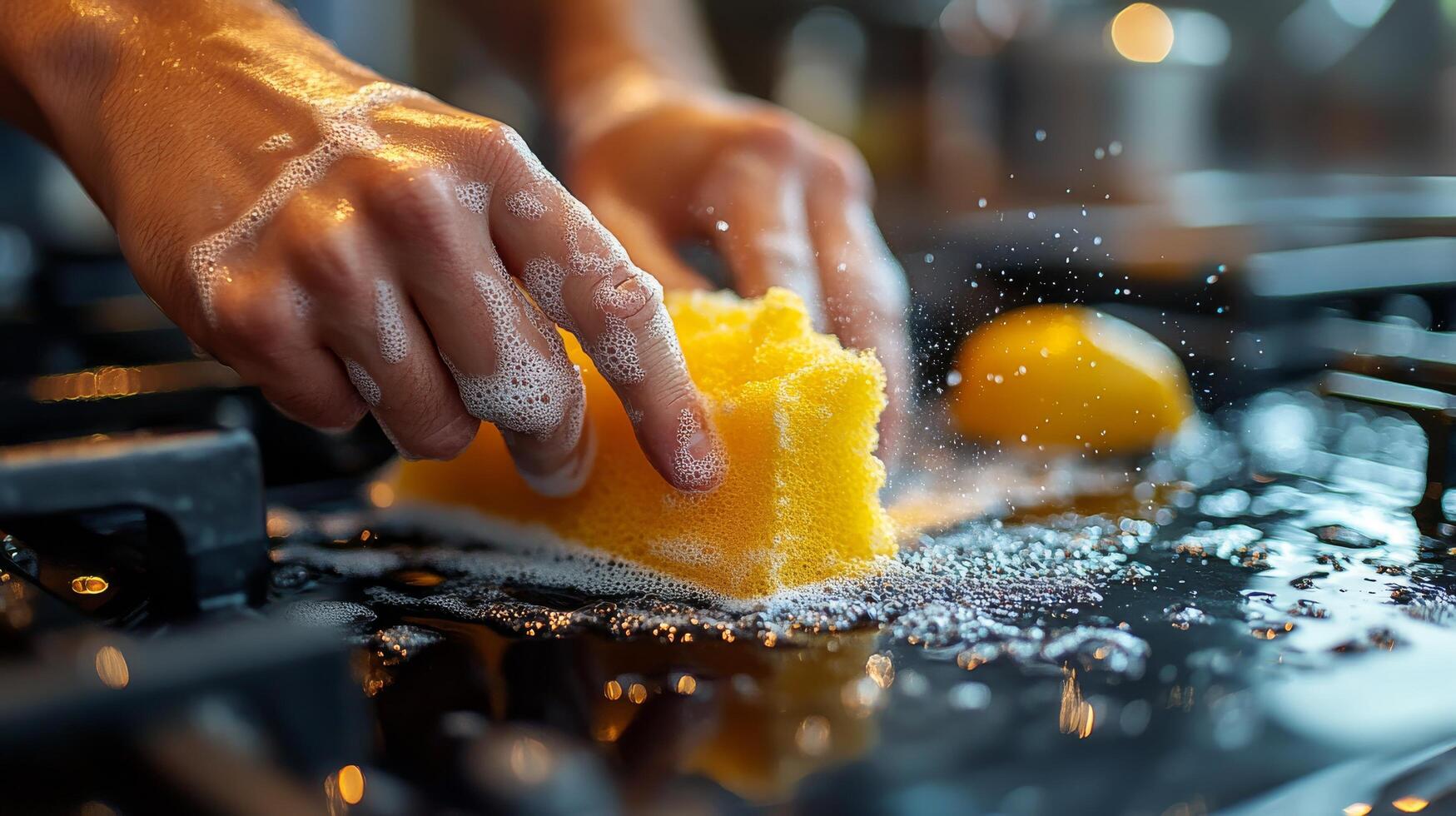
Start with the most visible areas—countertops, stovetops, and backsplashes. Use a strong but safe cleaning solution to remove grease, stains, and food residue. Pay special attention to corners and edges where crumbs often accumulate.
Wipe down cabinets, handles, and switches, as these areas can harbor bacteria and attract pests. Don’t forget to clean walls and tiles, especially near cooking areas where oil splashes are common.
Clean Appliances Thoroughly
Kitchen appliances are often overlooked during regular cleaning but can become major pest attractants. Pull out large appliances like the refrigerator and stove to clean behind and underneath them.
Inside the refrigerator, remove all shelves and drawers, and wash them with warm soapy water. Clean spills immediately to prevent odors and bacteria buildup. For ovens and microwaves, remove grease and food particles that can attract pests.
Small appliances like toasters and blenders should also be cleaned, as crumbs and residues can accumulate inside them.
Focus on the Sink and Drain
The kitchen sink is one of the most common places for pests due to constant moisture and food waste. Scrub the sink thoroughly and clean the faucet and handles.
Pour a mixture of hot water, baking soda, and vinegar down the drain to eliminate odors and bacteria. This also helps prevent clogging and reduces the chances of attracting pests like flies and cockroaches.
Fix any leaks immediately, as standing water can create a perfect breeding ground for pests.

Clean Cabinets and Pantry
Cabinets and pantry shelves should be wiped down and disinfected. Remove all items and vacuum or wipe away crumbs and dust. Store food in airtight containers to prevent pests from accessing it.
Use natural repellents like bay leaves or cloves inside cabinets to keep insects away. Regularly check stored food for signs of contamination or spoilage.
Take Out Trash and Sanitize Bins
Trash bins are a major source of attraction for pests. Empty your kitchen garbage daily and clean the bins thoroughly with disinfectant.
Use bins with tight-fitting lids to prevent pests from accessing food waste. Placing a deodorizer or baking soda at the bottom of the bin can help control odors.
Seal Entry Points
Even the cleanest kitchen can attract pests if there are entry points. Inspect your kitchen for cracks, gaps, or holes around windows, doors, and pipes.
Seal these openings using caulk or other suitable materials. Installing door sweeps and window screens can also help keep pests out.
Maintain Dry and Ventilated Spaces
Moisture is a key factor in pest attraction. Ensure your kitchen is well-ventilated and dry. Use exhaust fans while cooking and keep windows open when possible.
Dry sinks and countertops after use, and avoid leaving wet sponges or cloths lying around. Proper ventilation helps reduce humidity and keeps pests away.
Natural Pest Prevention Tips
Instead of relying on harsh chemicals, you can use natural methods to keep pests away. Ingredients like lemon, vinegar, and essential oils act as natural repellents.
For example, a mixture of water and vinegar can be used to clean surfaces and repel ants. Citrus peels can deter insects, while peppermint oil is effective against rodents and spiders.
These natural solutions are safe, eco-friendly, and effective for maintaining a pest-free kitchen.
Conclusion
Deep cleaning your kitchen is one of the most effective ways to prevent pest infestations and maintain a healthy living environment. By removing food sources, eliminating moisture, and sealing entry points, you can significantly reduce the risk of pests in your home.
The key to success is consistency. Regular deep cleaning, combined with proper organization and maintenance, ensures that your kitchen remains clean, safe, and pest-free throughout the year. Start implementing these steps today and enjoy a fresh, hygienic kitchen that supports your family’s well-being.
FAQs
1. How often should I deep clean my kitchen?
You should deep clean your kitchen at least once every 1–2 months.
2. What attracts pests to the kitchen?
Food crumbs, moisture, and garbage are the main attractants.
3. Are natural pest control methods effective?
Yes, natural methods like vinegar and essential oils can help repel pests.
4. How can I keep my kitchen pest-free daily?
Clean surfaces, store food properly, and take out trash regularly.
5. Do I need professional pest control?
Only if there is a severe infestation; otherwise, regular cleaning is enough.
Internal Linking Suggestions
How to Refresh Old Home Décor on a Budget
Small Space Organization Tips
Natural Home Cleaning Hacks
Kitchen Organization Ideas
Eco-Friendly Home Maintenance Tips

No comments:
Post a Comment