

Decor > Interior Design
How to Organize a Studio Apartment Efficiently: A Professional, Field-Tested Guide from 10+ Years of Experience
After more than a decade of working with compact living spaces—helping clients transform tight, cluttered studio apartments into functional, beautiful homes—I can confidently say this: organization is not about having less space, it’s about using space intelligently. A well-organized studio doesn’t just look good; it improves your daily life, boosts productivity, reduces stress, and creates a sense of control and comfort.
Many people approach studio living with the wrong mindset. They try to “fit everything in” instead of designing a system that works for their lifestyle. Over the years, I’ve seen countless small apartments fail—not because of size, but because of poor planning, inefficient furniture choices, and lack of consistent habits.
In this comprehensive, professional-level guide, I will walk you through the exact step-by-step process used in real-life projects to organize a studio apartment efficiently. Each section is explained in detail so you can apply it practically, no matter your budget or space size.
 |
| Appartment Interior |
Begin with Strategic Decluttering, Not Emotional Decisions
The biggest mistake people make when organizing a studio apartment is skipping proper decluttering. They try to “organize” items they don’t actually need. From my experience, this leads to temporary results and long-term frustration.
Decluttering should be approached strategically, not emotionally. Instead of asking, “Do I like this?” ask, “Does this serve a clear function in my current lifestyle?” Studio apartments demand functional living, not sentimental storage.
Go through your belongings category by category—clothing, kitchenware, documents, decor—and evaluate usage frequency. Items used daily or weekly deserve prime space. Occasional-use items should be minimized or stored efficiently. Anything unused for months is simply taking up valuable real estate.
In professional projects, we often reduce visible clutter by 30–50% before even introducing storage solutions. This alone can dramatically change how spacious your apartment feels.
Design Your Layout Like a Professional Interior Planner
A studio apartment should never feel like one open, undefined space. One of the most effective strategies I’ve used over the years is zoning—creating clear functional areas without building walls.
Think of your apartment as a micro-home with separate purposes:
A sleeping zone
A living/relaxation zone
A dining or work zone
A kitchen area
Instead of physical walls, use visual boundaries. Rugs, lighting differences, and furniture placement are powerful tools. For example, placing a sofa at the foot of your bed instantly creates separation between sleeping and living areas.
Clients are often surprised at how simply repositioning furniture can completely transform the feel of their space. Good layout planning improves movement, reduces visual clutter, and makes daily routines smoother.
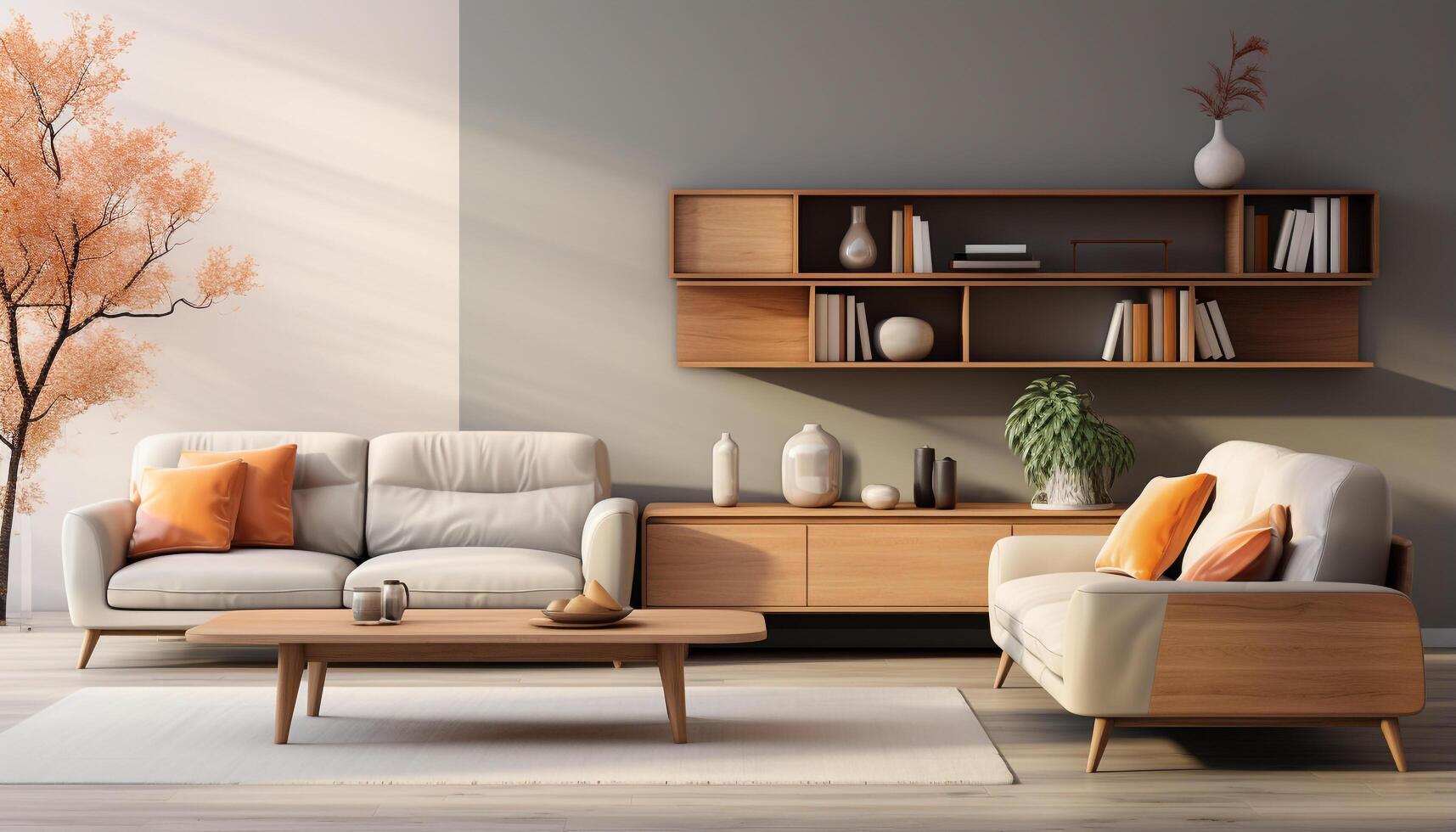 |
Professional Interior Planner |
Invest in Multi-Functional Furniture That Solves Real Problems
In small-space design, furniture should work harder than in larger homes. Every piece must justify its presence. Over the years, I’ve learned that multi-functional furniture is not a luxury—it’s a necessity.
However, not all multi-purpose furniture is equally useful. The key is choosing items that match your daily habits. For example, if you frequently host guests, a sofa bed makes sense. If storage is your main issue, a bed with built-in drawers or a lift-up storage base is more valuable.
Furniture like foldable desks, nesting tables, or storage ottomans can significantly reduce clutter while maintaining functionality. The goal is not to fill your apartment with clever furniture, but to eliminate the need for extra pieces altogether.
Professionally organized studios often have fewer items—but each item performs multiple roles efficiently.
Use Vertical Space as Your Hidden Advantage
One of the most underutilized strategies in studio apartments is vertical storage. Many people focus only on floor space, leaving walls empty and unused.
In reality, your walls are prime storage real estate.
Installing floating shelves, tall cabinets, or wall-mounted racks can dramatically increase your storage capacity without crowding your living area. In kitchens, vertical storage can double efficiency. In living areas, it reduces the need for bulky furniture.
From experience, I always recommend going as high as visually comfortable. Tall storage draws the eye upward, which also makes the apartment feel larger and more open.
The key is balance—avoid overcrowding walls, but use them intentionally.
Build a Storage System, Not Just Storage Spaces

Many people think buying storage boxes solves the problem. It doesn’t. What you need is a system.
A proper storage system ensures:
Every item has a designated place
Items are easy to access
Storage remains organized over time
For example, under-bed storage should be categorized—seasonal clothing in one section, extra bedding in another. Kitchen drawers should be divided by function, not randomly filled.
One of the most effective professional techniques is “frequency-based placement.” Items you use daily should be within arm’s reach. Weekly items can be stored slightly higher or deeper. Rarely used items should go into less accessible areas.
This system reduces daily friction and keeps your apartment organized without constant effort.
Optimize Closet Space Like a Storage Expert
Closets in studio apartments are often small, but with the right approach, they can be surprisingly efficient.
Instead of treating your closet as a dumping space, think of it as a structured storage unit. Use slim hangers to maximize hanging space, and add vertical organizers for accessories or folded clothes.
From years of experience, one of the best strategies is seasonal rotation. Keep only current-season clothing easily accessible, and store the rest elsewhere. This prevents overcrowding and makes daily dressing faster and easier.
Closet organization is not just about storage—it’s about improving your daily routine.
Keep the Kitchen Minimal, Functional, and Easy to Maintain
Small kitchens can quickly become chaotic if not carefully managed. The key is to reduce, simplify, and organize.
Avoid keeping unnecessary utensils or duplicate tools. Focus on essentials that you use regularly. Store items based on usage frequency—daily items in easy reach, occasional tools in secondary storage.
Professionally, I always emphasize keeping countertops as clear as possible. A clean surface creates the illusion of space and makes cooking more enjoyable.
Adding wall hooks, magnetic strips, or vertical racks can free up cabinet space and improve workflow significantly.
Create a Defined and Peaceful Sleeping Area
Even in a studio apartment, your sleeping space should feel separate and calming. This is not just about design—it directly affects sleep quality and mental well-being.
Position your bed thoughtfully, ideally away from the main entrance or high-traffic areas. Use soft dividers like curtains, shelving units, or even lighting changes to create a sense of separation.
In professional setups, we often use warmer lighting in the sleeping zone and brighter lighting in work or living areas. This subtle difference helps your brain distinguish between rest and activity.
A well-defined sleeping area improves both comfort and daily structure.
Use Light, Color, and Reflection to Expand Your Space Visually
Over the years, I’ve seen how powerful visual design can be in small spaces. Light colors, proper lighting, and reflective surfaces can make a studio apartment feel significantly larger.
Neutral tones like white, beige, or soft pastels create an open and airy feel. Mirrors reflect light and visually double the space. Layered lighting—combining ambient, task, and accent lights—adds depth and functionality.
Avoid heavy, dark colors unless used intentionally as accents. The goal is to create a bright, breathable environment.
Build Daily Habits That Maintain Organization Effortlessly

No organization system works without consistent habits. This is something many people overlook.
Simple daily routines make a huge difference:
Making your bed every morning
Cleaning dishes immediately after use
Returning items to their place
Doing a quick nightly reset
From professional experience, the most organized homes are not the ones with the best systems—they are the ones with consistent habits.
Organization is not a one-time task; it’s a lifestyle.
Final Thoughts: Smart Living Is Intentional Living
After working in this field for over 10 years, one truth stands out clearly: a well-organized studio apartment is not about size—it’s about intention.
When every item has a purpose, every zone has a function, and every habit supports your system, even the smallest space can feel comfortable, efficient, and inspiring.
You don’t need expensive furniture or a large budget. What you need is a clear plan, smart decisions, and consistency.
Start small. Improve step by step. And most importantly, design your space to support your life—not complicate it.
Quick Professional Takeaways
A well-organized studio apartment always follows these principles:
Declutter before organizing
Create functional zones
Choose furniture with purpose
Use vertical space wisely
Build sustainable daily habits
By applying these field-tested strategies, you can turn your studio apartment into a highly efficient, stress-free, and beautifully organized living space that truly feels like home.

No comments:
Post a Comment