

Garden > Dogwood Tree
Dogwood Tree (Cornus florida): Features, Flowers & Landscaping Uses – Complete Guide for Garden Lovers
Introduction
If you’re looking for a tree that combines elegance, seasonal beauty, and practical landscaping value, the Dogwood tree (Cornus florida) is an excellent choice. Known for its stunning spring blooms and vibrant fall colors, this ornamental tree has become a favorite among gardeners and landscape designers.
Understanding the Dogwood tree features, flowers, and landscaping uses can help you decide whether it’s the right addition to your garden. Beyond its beauty, this tree offers ecological benefits, supports wildlife, and enhances outdoor spaces with minimal effort. In this complete guide, you’ll learn everything from its characteristics to planting tips and care requirements.
Plant Overview
The Dogwood tree, scientifically known as Cornus florida, is a small deciduous tree native to North America. It is commonly referred to as Flowering Dogwood due to its attractive blossoms.
This tree has been admired for centuries for its ornamental value and is often planted in gardens, parks, and residential landscapes. Its ability to adapt to different environments makes it suitable for a wide range of climates.
Plant Characteristics
The Dogwood tree is typically a small to medium-sized tree, growing up to 15–30 feet tall. It has a rounded canopy with horizontal branching, giving it a graceful and layered appearance.
The leaves are oval-shaped with a rich green color that turns vibrant shades of red and purple in autumn. The bark is textured and adds visual interest even in winter.
Dogwood thrives in well-drained soil and prefers partial shade, making it ideal for gardens with filtered sunlight.
 |
| Dogwood Tree – Blooming tree with white flowers in spring |
Flowers and Seasonal Beauty
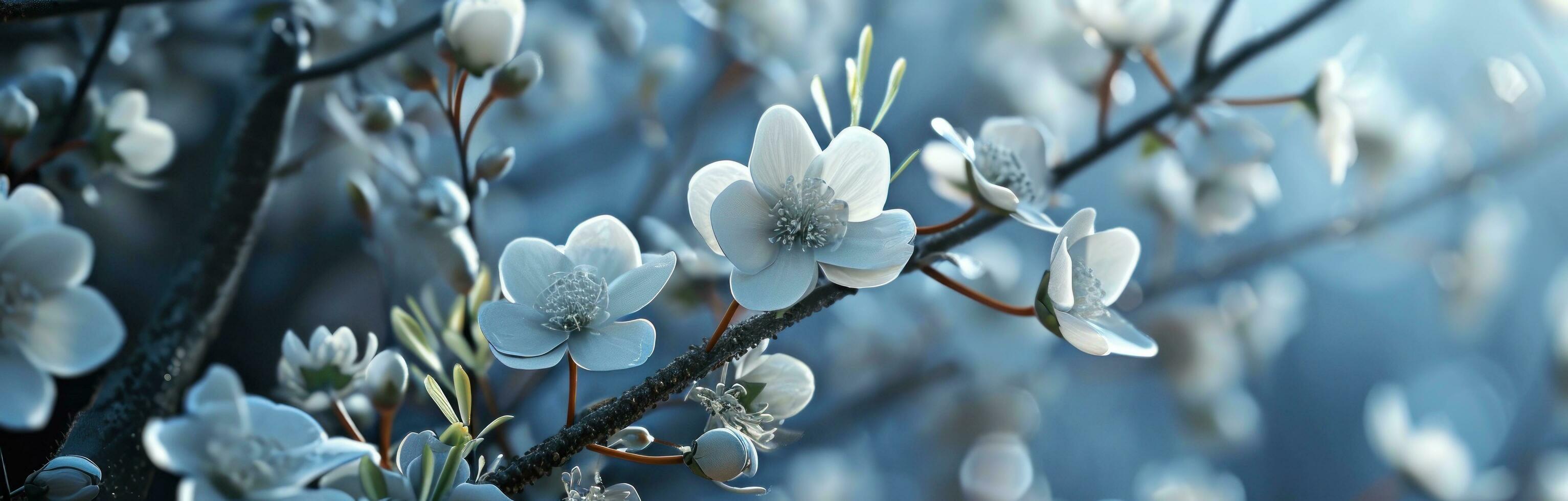
One of the most striking features of the Dogwood tree is its beautiful flowers. What appear to be petals are actually bracts—modified leaves that surround the small central flowers.
These bracts are usually white but can also be pink or red, depending on the variety. The tree blooms in early spring, creating a stunning display that signals the arrival of warmer weather.
In summer, the tree maintains lush green foliage. During fall, it transforms into a vibrant mix of red and purple tones. Even in winter, its unique branching pattern adds visual appeal to the landscape.
Landscaping Uses
Ornamental Garden Tree
Dogwood trees are widely used as ornamental plants due to their year-round beauty. They are perfect as focal points in gardens or near patios and walkways.
Shade and Layered Landscaping
Because of their moderate size, Dogwood trees provide light shade without overwhelming smaller plants. They work well in layered landscapes alongside shrubs and perennials.
Wildlife Attraction
Dogwood trees produce small red berries that attract birds and other wildlife. This makes them a great choice for eco-friendly gardens.
Border and Accent Planting
They can be used as border trees or accent features to enhance the visual appeal of outdoor spaces. Their seasonal changes add variety and interest to any landscape design.
 |
| Dogwood Flowers – Close-up of pink and white bracts |
Growing Conditions and Care
Dogwood trees require specific conditions to thrive. They prefer well-drained, slightly acidic soil enriched with organic matter. Regular watering is important, especially during dry periods.
Mulching around the base helps retain moisture and regulate soil temperature. While they can tolerate some sunlight, partial shade is ideal to prevent leaf scorch.
Pruning should be minimal and done during the dormant season to maintain shape and remove damaged branches.
Common Problems and Maintenance
Dogwood trees can be susceptible to certain diseases such as powdery mildew and leaf spot. Proper spacing, good air circulation, and avoiding overhead watering can help prevent these issues.
Pests like borers may occasionally affect the tree, but regular inspection and care can minimize damage.
Maintaining healthy soil and proper watering habits ensures long-term growth and beauty.
Benefits of Planting Dogwood
Planting a Dogwood tree offers several advantages. It enhances the aesthetic appeal of your garden, increases property value, and supports local wildlife.
Its moderate size makes it suitable for small to medium gardens, and its seasonal beauty ensures year-round visual interest. Additionally, it requires relatively low maintenance once established.
Is Dogwood Suitable for Your Garden?
Before planting, consider your local climate and available space. Dogwood trees thrive best in temperate regions with moderate rainfall.
If you have a partially shaded garden with well-drained soil, this tree can be an excellent addition. However, in extremely hot or dry climates, extra care may be required.
Conclusion
The Dogwood tree (Cornus florida) is a perfect blend of beauty and functionality. With its stunning spring flowers, vibrant fall colors, and versatile landscaping uses, it can transform any outdoor space into a visually appealing environment.
By understanding the features, flowers, and landscaping uses of the Dogwood tree, you can make an informed decision about adding it to your garden. With proper care and placement, this elegant tree will reward you with years of natural beauty and charm.
FAQs
1. How fast does a Dogwood tree grow?
It grows at a moderate rate, typically 1–2 feet per year.
2. When do Dogwood trees bloom?
They usually bloom in early spring.
3. Do Dogwood trees need full sun?
They prefer partial shade with some sunlight.
4. Are Dogwood trees easy to maintain?
Yes, with proper care and watering, they are relatively low maintenance.
5. Can Dogwood trees grow in small gardens?
Yes, their compact size makes them suitable for smaller spaces.
Internal Linking Suggestions
How to Start Rooftop Gardening
Top Herbal Plants for Home Garden
How to Water Houseplants Properly
Best Plants for Small Gardens
Beginner Gardening Tips

No comments:
Post a Comment