

How Often Should You Wash Bedding, Towels & Clothes? Laundry Schedule
Introduction Laundry piles have a way of growing faster than anyone expects. One day the hamper looks manageable; the next it overflows with towels, sheets, and clothes that all seem to need washing at once. Many households fall into either washing everything too often, which wastes water and wears out fabric, or waiting too long, which lets bacteria, dead skin, and allergens build up.
A clear laundry washing schedule removes the guesswork. Knowing exactly how often to wash bed sheets, towels, everyday clothes, and specialty items creates a predictable rhythm that protects health, extends the life of your textiles, and keeps the home feeling fresh. This matters especially for parents, allergy sufferers, and anyone sharing living space.
This guide lays out practical frequencies backed by common hygiene recommendations and real household experience. You will find realistic timelines for bedding, towels, and different categories of clothing, plus tips for adjusting the schedule to your climate, activity level, and skin sensitivity. The goal is a sustainable routine that feels manageable rather than overwhelming.
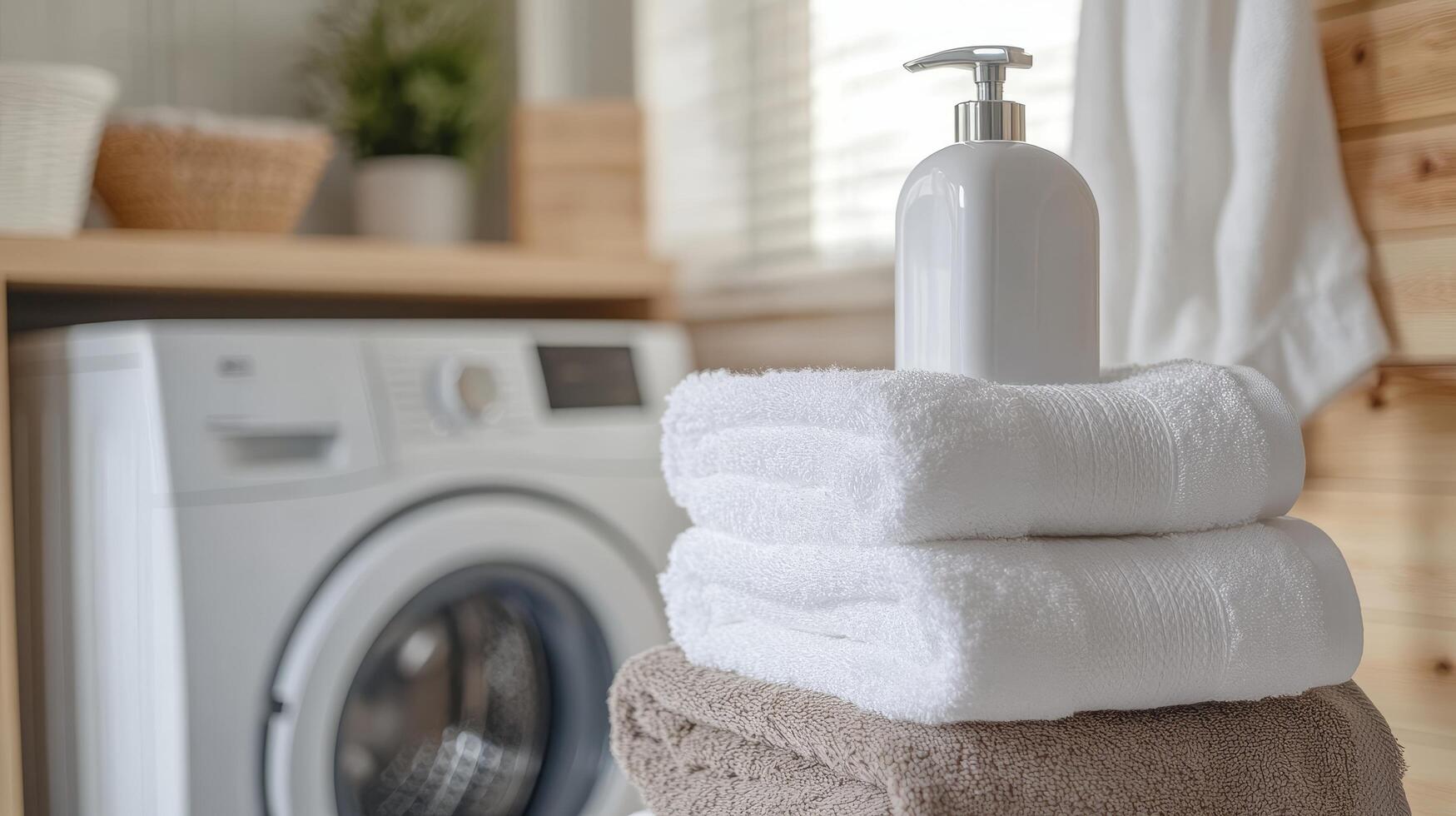 |
| laundry washing schedule for bedding towels and clothes |
A simple, consistent laundry schedule keeps textiles clean without constant overwhelm.
- Why a Consistent Laundry Schedule Matters
- How Often to Wash Bed Sheets and Pillowcases
- Towel Washing Frequency for Optimal Hygiene
- Everyday Clothes: Shirts, Pants, and Underwear
- Workout Clothes, Socks, and High-Sweat Items
- Specialty Items: Blankets, Comforters, and Mattress Protectors
- Factors That Change the Ideal Frequency
- Building a Weekly and Monthly Laundry Routine
- Common Mistakes That Undermine Hygiene
- Adjusting the Schedule for Allergies and Sensitive Skin
Why a Consistent Laundry Schedule Matters
Textiles collect more than visible dirt. Skin cells, body oils, sweat, dust mites, and environmental particles accumulate with every use. Over time these invisible layers create the perfect environment for bacteria and allergens to thrive. A predictable washing rhythm interrupts that buildup before it becomes a problem. For families with children or pets, the load of organic material is higher. Allergy sufferers often notice improved sleep and fewer morning symptoms once sheets and pillowcases are washed on a reliable schedule. Even people without known sensitivities benefit from fresher fabric that feels better against the skin and lasts longer because it is not left to degrade under constant soil. Inconsistent washing also affects the home environment. Damp towels left too long develop musty odors that spread. Sheets that go weeks between washes can transfer oils back onto clean skin each night. A clear schedule turns laundry from a reactive chore into a proactive habit that supports overall household cleanliness. One parent of two young children described the shift after adopting fixed frequencies: the constant low-level stress of deciding what needed washing disappeared, and the house simply smelled cleaner. The emotional relief of a system that works is often as valuable as the hygiene benefit itself. |
| importance of consistent laundry washing schedule |
Regular washing prevents the gradual buildup that affects both comfort and health.
How Often to Wash Bed Sheets and Pillowcases
Most experts and dermatologists recommend washing bed sheets once a week. During sleep the body sheds skin cells and releases oils and sweat. Pillowcases collect even more because the face and hair rest directly against them for hours. Weekly washing removes the majority of that material before dust mites and bacteria multiply significantly. In hotter climates or during summer months, some households prefer washing sheets every four to five days. People who sweat heavily at night or share the bed with pets may also benefit from a slightly shorter interval. Pillowcases can be swapped more frequently if desired; many people keep two sets and change the cases mid-week while leaving the fitted sheet in place. A real-world example comes from a teacher who struggled with morning congestion. After switching from bi-weekly to weekly sheet washing, she noticed clearer breathing within two weeks. The change required almost no extra effort once she built it into her Sunday routine. Fitted sheets, flat sheets, and pillowcases should all go into the same load when possible. Using a moderate temperature and a detergent suitable for bedding helps preserve fabric while still achieving thorough cleaning. Consistent weekly attention keeps the sleep surface genuinely fresh.Weekly washing of sheets and pillowcases is the foundation of good sleep hygiene.
Towel Washing Frequency for Optimal Hygiene
Bath towels should be washed every three to four uses, which for most people translates to twice a week. Towels remain damp after each shower, creating ideal conditions for bacteria growth. The longer they stay moist, the more likely they are to develop odors and transfer microbes back to clean skin. Hand towels in bathrooms need more frequent attention because they see constant use. Many households wash them every two to three days. Kitchen towels and dishcloths require even tighter schedules—daily or every other day—because they contact food residue and moisture. One family living in a humid coastal area found that their towels developed a persistent smell until they committed to washing bath towels twice weekly and hanging them fully spread out to dry between uses. The simple change eliminated the odor and made the bathroom feel cleaner. Avoid the temptation to use the same towel for a full week. While it may seem economical, the hygiene cost outweighs the water savings. Proper drying between uses extends the time between washes, but it does not replace regular laundering.Towels need more frequent washing than many people realize because of residual moisture.
Everyday Clothes: Shirts, Pants, and Underwear
Clothing frequency depends heavily on the item and how it is worn. Underwear and socks should be washed after every wear. These garments contact the body most directly and accumulate the highest levels of bacteria and odor-causing compounds. Shirts, blouses, and T-shirts worn against the skin generally need washing after one or two wears, depending on activity level and climate. A shirt worn to an air-conditioned office may tolerate a second day, while the same shirt worn on a warm commute should go into the hamper immediately. Pants and skirts that do not touch the skin as closely can often be worn three to five times if they remain clean and odor-free. Jeans fall into a special category. Many people wear them multiple times between washes unless they are visibly soiled or have absorbed strong odors. Turning jeans inside out and airing them can extend wear, yet they still benefit from regular cleaning to remove body oils that degrade the fabric over time. A college student shared that creating simple categories—daily items, every-other-day items, and weekly items—reduced both laundry volume and the number of “forgotten” dirty clothes at the bottom of the closet. Clear expectations make the routine easier to maintain. |
| clothing hygiene washing frequency |
Different garments need different washing intervals based on skin contact and soil level.
Workout Clothes, Socks, and High-Sweat Items
Athletic wear and anything worn during heavy sweating should be washed after every use. Synthetic fabrics common in workout clothing trap moisture and bacteria efficiently. Leaving them in a gym bag or hamper for even a day allows odors to set permanently into the fibers. Socks belong in the same category. Whether athletic or everyday, they collect sweat and dead skin and should not be reworn. Bras and undershirts worn during exercise also need prompt washing. One runner who previously washed workout clothes only when the smell became obvious discovered that immediate washing preserved both the fabric and the elastic far longer. The clothes stayed functional for additional seasons, offsetting the slightly higher laundry frequency. If multiple workouts occur in one day, hanging the items to dry thoroughly between sessions can allow a second wear in some cases, but washing remains the safer default for hygiene.High-sweat garments require washing after every wear to prevent permanent odors and bacterial growth.
Specialty Items: Blankets, Comforters, and Mattress Protectors
Blankets and comforters do not need weekly washing. Most can be cleaned every one to three months depending on use. If a blanket is used daily as a cover, aim for the shorter end of that range. Decorative throws that see light use can stretch longer. Mattress protectors and pillow protectors should be washed every one to two months, or more often if allergies are present. These layers catch sweat and allergens before they reach the mattress itself. Washing them regularly extends the life of the more expensive mattress and pillows. Duvet covers can follow the same weekly schedule as sheets, while the duvet insert inside needs washing only a few times per year unless soiled. Always check care labels, as some specialty fills require professional cleaning or specific machine settings. A family with dust-mite allergies began washing mattress protectors monthly and noticed fewer nighttime symptoms within a short period. The extra load was modest compared with the comfort gain.Larger bedding items need less frequent but still regular cleaning to stay fresh.
Factors That Change the Ideal Frequency
Several variables push the standard schedule shorter or longer. Hot, humid weather increases sweating and bacterial growth, so more frequent washing makes sense. Cold, dry climates may allow slightly longer intervals for some items. Activity level matters. Households with young children, athletes, or outdoor workers generate more soil and moisture. Pets that sleep on beds or furniture also raise the cleaning frequency for those textiles. Illness in the home calls for immediate washing of all affected bedding and towels. Water quality and detergent choice influence how clean items actually become. Hard water or insufficient detergent can leave residue that makes fabric feel dirty sooner. Conversely, over-washing with harsh cycles wears textiles out faster than necessary. Personal preference and skin sensitivity also play roles. Some people simply feel better with more frequent changes. The best schedule balances hygiene science with the practical realities of each household.Climate, activity, and household composition all influence the ideal washing intervals.
Building a Weekly and Monthly Laundry Routine
A workable routine assigns specific days to specific categories. Many families wash sheets and pillowcases on the same day each week, towels twice weekly, and clothes as they accumulate according to the guidelines above. Batching similar items improves efficiency and reduces the number of mixed loads. Monthly tasks include washing mattress protectors, cleaning the washing machine itself, and rotating seasonal bedding. Writing the schedule on a simple calendar or phone reminder removes the daily decision fatigue. One household of four adults created a shared digital note listing what gets washed on which days. After a few weeks the system became automatic, and the volume of “emergency” loads dropped sharply. Consistency creates its own momentum. The routine should remain flexible enough to absorb guests, travel, or illness without collapsing. The goal is a sustainable rhythm rather than rigid perfection. nstant chore.Common Mistakes That Undermine Hygiene
Leaving wet towels in a heap is one of the fastest ways to create odor and bacteria. Always spread them to dry. Overloading the machine reduces cleaning effectiveness and leaves residue. Using too much detergent creates the same problem. Washing bedding less than weekly is another frequent misstep, especially when people assume that “it still looks clean.” Visible cleanliness does not equal hygienic cleanliness. Skipping the wash of workout clothes or rewearing underwear also undermines the entire effort. A young professional who traveled frequently admitted she often left hotel towels and sheets in her suitcase for days. Once she began washing travel items immediately upon return, the lingering musty smells disappeared from her wardrobe. Small corrections produce noticeable results. Avoiding these patterns protects both health and the lifespan of the textiles. |
| common laundry hygiene mistakes |
Simple oversights can undo the benefits of an otherwise good washing schedule.
Adjusting the Schedule for Allergies and Sensitive Skin
Allergy and asthma sufferers often benefit from washing sheets and pillowcases twice weekly, especially during high pollen seasons. Using hot water when the fabric allows, and choosing fragrance-free detergent, further reduces irritants. Mattress and pillow protectors become essential rather than optional. Washing them monthly, or more often during flare-ups, keeps allergen levels lower. Some people also freeze stuffed toys or pillows briefly to reduce dust mites before washing. Sensitive skin reacts to residual detergent as much as to soil. Extra rinsing and avoiding fabric softeners can make a significant difference. One parent of a child with eczema found that shortening the sheet-washing interval and switching detergents reduced nighttime itching within days. These adjustments require slightly more effort yet deliver measurable comfort for those who need them most. [Insert Image: laundry schedule for allergies and sensitive skin]Allergy-friendly adjustments focus on more frequent washing of sleep surfaces and careful product choices.
FAQs
Can I wash sheets less often if I shower before bed? Showering helps, but skin cells and oils still transfer during sleep. Weekly washing remains the safest standard for most people.
Is it okay to wash towels only once a week? For most households that is too long. Twice weekly better controls moisture-related bacteria and odor.
How often should I wash my duvet or comforter? Every one to three months for the insert, while the cover can follow the weekly sheet schedule.
Do jeans really need washing after every wear? No. Most jeans can be worn multiple times if aired between uses, unless they are soiled or odorous.
Pros & Cons
Pros of Following a Clear Schedule
- Better hygiene and reduced allergen exposure
- Longer lifespan for clothing and bedding
- Less decision fatigue around laundry
- Fresher-smelling home
- Easier to share responsibilities in a household
Cons of a Strict Schedule
- Slightly higher water and energy use if over-applied
- Requires initial habit building
- May need adjustment for travel or unusual weeks
- Can feel rigid until it becomes automatic
Conclusion A thoughtful laundry washing schedule removes uncertainty and replaces it with a calm, repeatable system. Weekly sheets, towels every few uses, daily underwear and workout clothes, and less frequent attention to larger bedding items form a balanced foundation that works for most households.
Adjust the timeline for climate, activity, and personal health needs, then protect the routine with simple habits such as proper drying and correct detergent amounts. The result is cleaner textiles, fewer odors, and a home that feels genuinely cared for.
Start with one category this week—perhaps sheets or towels—and lock in the frequency. Small consistent actions create lasting hygiene and peace of mind. Your future self will thank you every time you climb into fresh bedding or reach for a clean towel.
Internal & External Linking Suggestions
Internal linking ideas (link to related posts on your Blogger site if available):
- How to wash white clothes without bleach
- Front load vs top load washing machine comparison
- Laundry room organization ideas for small spaces
- Natural laundry tips for sensitive skin
External linking suggestions (authoritative, non-competitive sources):
- Dermatology or allergy association guidance on bedding hygiene
- University extension service laundry and fabric care pages
- Public health recommendations on household textile cleaning
- Reputable consumer organization articles on washing frequency

No comments:
Post a Comment