

Why Does My Houseplant Have Brown Leaf Tips? Causes & Fixes
Introduction Few things disappoint plant owners more than watching once-lush green leaves develop dry, crispy brown tips. The rest of the plant may still look healthy, yet those browned edges signal that something in the environment or care routine is off. Brown leaf tips are one of the most common complaints among indoor gardeners, and they affect everything from peace lilies and spider plants to monsteras and ferns.
The good news is that brown leaf tips on plants are rarely a death sentence. In most cases they point to correctable issues such as inconsistent watering, low humidity, mineral buildup, or fertilizer stress. Identifying the exact cause allows you to adjust conditions and stop the problem from spreading to new growth.
This guide explains the main reasons leaves turn brown at the tips, how to diagnose which factor is affecting your plant, and practical steps to restore healthier foliage. With a few targeted changes, most houseplants can recover and produce clean, green leaves once again.
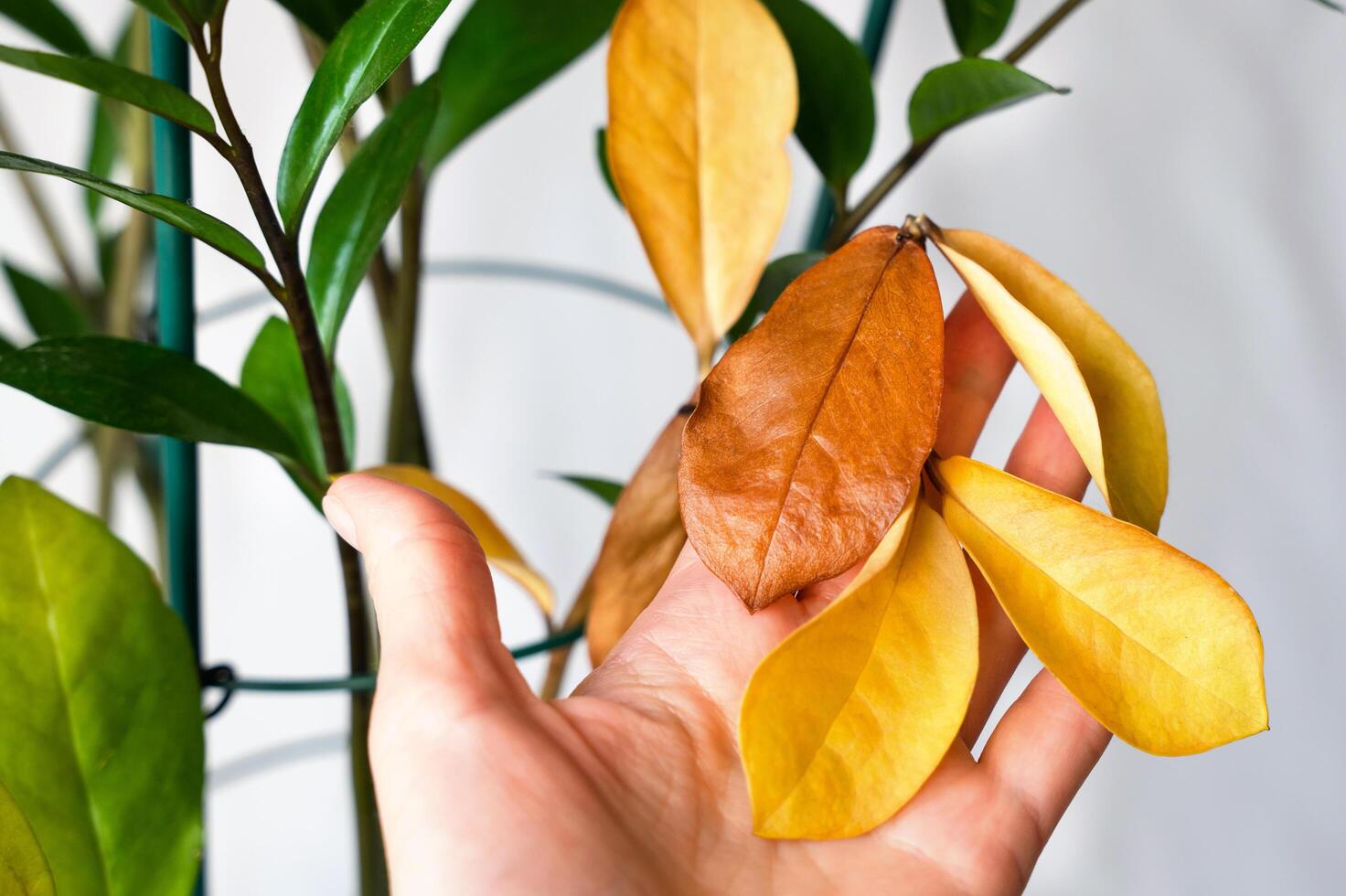 |
| Brown leaf tips on houseplants causes and solutions |
Brown tips are a common signal that a houseplant needs adjusted care.
- Why Brown Leaf Tips Appear
- Underwatering and Inconsistent Moisture
- Low Humidity and Dry Indoor Air
- Water Quality and Mineral Buildup
- Fertilizer Burn and Excess Salts
- Overwatering and Root Stress
- Temperature Extremes and Drafts
- How to Diagnose the Exact Cause
- Practical Solutions and Recovery Steps
- Prevention Habits for Healthy Leaves
Why Brown Leaf Tips Appear
Leaf tips are the farthest points from the roots and therefore the first areas to show stress when water, nutrients, or environmental conditions fall short. The plant prioritizes the survival of newer growth and the main leaf surface, so the extremities often dry out or burn when resources are limited or when toxic substances accumulate. Brown tips can be crispy and dry or soft and dark depending on the cause. Dry, papery tips usually point to underwatering, low humidity, or salt buildup. Soft, dark tips more often signal overwatering or root problems. Understanding this distinction helps narrow the possibilities quickly. Many popular houseplants evolved in humid tropical understories where moisture is consistent and air is rarely dry. Modern homes, especially those with heating or air conditioning, create the opposite environment. The mismatch between a plant’s natural preferences and typical indoor conditions is the root of most tip-browning cases. A plant parent who noticed brown tips on every new leaf of her calathea eventually realized the combination of infrequent watering and very dry winter air was the culprit. Once she adjusted both factors, fresh leaves emerged clean and fully green. The earlier damage remained, but the plant stopped producing more of it. Recognizing that brown tips are a symptom rather than a disease itself is the first step toward effective treatment.Leaf tips reveal stress before the rest of the plant shows obvious decline.
Underwatering and Inconsistent Moisture
When a plant does not receive enough water, or receives it in irregular bursts, the leaf tips are among the first tissues to suffer. Water moves from the roots through the plant and exits primarily through the leaves. If supply is insufficient, the farthest cells dehydrate and die, leaving brown, crispy edges. Inconsistent watering is especially damaging. Allowing the soil to become bone-dry and then flooding it creates repeated stress cycles. The plant never establishes a steady internal moisture level, and tip burn becomes chronic. Many owners underwater because they fear root rot. Others simply forget or follow a rigid calendar instead of checking the soil. A simple finger test—inserting a finger an inch or two into the soil—reveals more than any schedule. When the top layer feels dry for most tropical plants, it is time to water thoroughly until excess drains from the bottom. One office worker kept a peace lily that regularly developed brown tips. She watered lightly every few days. Switching to deeper, less frequent watering that fully moistened the root ball eliminated new tip burn within a month. The existing brown tips stayed, but the plant looked healthier overall. Consistent, thorough watering matched to the plant’s needs is one of the most effective ways to stop dry leaf tips. |
| Underwatered plant with dry brown tips |
Irregular or insufficient watering frequently causes crispy brown tips.
Low Humidity and Dry Indoor Air
Most popular houseplants prefer humidity levels between 40 and 60 percent or higher. Typical heated or air-conditioned homes often drop well below that range, especially in winter. When the air is dry, leaves lose moisture faster than roots can replace it, and the tips brown first. Plants with thin or delicate leaves—ferns, calatheas, prayer plants, and many tropicals—are particularly sensitive. Even tougher species can show tip burn when humidity stays low for long periods. Raising humidity does not require expensive equipment for every situation. Grouping plants together creates a slightly more humid microclimate. Placing pots on trays filled with pebbles and water (ensuring the pot sits above the waterline) adds moisture to the surrounding air. A small humidifier near a plant collection is highly effective for sensitive species. A renter in a dry climate noticed her spider plant and dracaena developing brown tips every winter. After adding a basic cool-mist humidifier a few feet away and running it during the driest months, new growth emerged without browning. The difference was dramatic and required almost no daily effort. Addressing humidity is often the missing piece when watering seems correct yet tips continue to brown.Dry indoor air is a leading cause of brown tips on tropical houseplants.
Water Quality and Mineral Buildup
Tap water in many areas contains chlorine, fluoride, or dissolved minerals. Over time these substances accumulate in the soil and are taken up by the plant. Sensitive species react by developing brown tips or margins as the excess minerals concentrate in the leaf tissue. Fluoride is especially problematic for plants such as spider plants, dracaenas, and peace lilies. Chlorine can also contribute to tip burn, though it dissipates more readily if water is left to sit overnight. Using filtered, distilled, or rainwater eliminates most of these issues. If those options are unavailable, allowing tap water to stand for 24 hours before use lets some chlorine evaporate. Periodic heavy flushing of the soil—watering until a generous amount drains out—helps leach accumulated salts. A plant enthusiast who switched her entire collection to filtered water saw a clear reduction in new brown tips within two growth cycles. She had previously blamed low humidity alone, but water quality proved equally important. Testing or simply changing the water source is a straightforward diagnostic and corrective step. |
| Mineral buildup and water quality plant tips |
Minerals and chemicals in tap water often concentrate in leaf tips and cause browning.
Fertilizer Burn and Excess Salts
Fertilizer provides essential nutrients, yet too much or too frequent application leaves excess salts in the soil. These salts draw moisture out of roots and leaf tissue, producing classic tip burn that looks dry and crispy. The damage often appears shortly after a feeding or builds gradually with repeated over-fertilization. Many commercial potting mixes already contain starter fertilizer. Adding more too soon or at full strength compounds the problem. Plants in low light or during winter rest need far less fertilizer than actively growing specimens. The solution is restraint. Dilute fertilizer to half or quarter strength and apply only during active growth periods. If salt buildup is suspected, flush the soil thoroughly with clean water several times to leach excess minerals, then resume a lighter feeding schedule. A beginner who fertilized her fiddle-leaf fig every time she watered developed widespread brown tips. After flushing the soil and switching to monthly half-strength feeding only in spring and summer, new leaves emerged healthy. The lesson was clear: more fertilizer is not better. Proper nutrition supports growth; excess creates visible stress at the leaf tips.Excess fertilizer salts commonly burn the tips and edges of houseplant leaves.
Overwatering and Root Stress
While dry tips are often linked to underwatering, chronic overwatering can produce similar symptoms through a different mechanism. Soggy soil damages roots, reducing their ability to absorb water and nutrients. The plant effectively experiences drought stress even though the soil is wet, and leaf tips brown as a result. Soft, dark tips or yellowing that accompanies browning more strongly suggests overwatering. The soil may smell sour or feel constantly heavy. Root rot, once established, further impairs uptake and can lead to rapid decline. Allowing the top portion of the soil to dry between waterings, ensuring pots have drainage holes, and using well-aerated potting mix prevent most overwatering problems. If roots are already compromised, trimming damaged portions and repotting into fresh mix may be necessary. A college student who kept her pothos in a decorative pot without drainage developed brown tips and yellow leaves. Moving the plant into a proper pot with drainage and adjusting her watering frequency restored healthy growth within weeks. Healthy roots are essential for healthy leaves. Waterlogged soil undermines both.Root stress from excess water can mimic drought symptoms at the leaf tips.
Temperature Extremes and Drafts
Sudden temperature drops, hot blasts from heating vents, or cold drafts from windows and doors stress plants and often show first at the leaf tips. Tropical species prefer stable temperatures roughly between 65 and 80°F. Exposure outside that range, even briefly, can cause tip burn or leaf damage. Placing plants near exterior doors, directly above radiators, or against cold winter glass creates repeated stress. Air conditioning vents that blow directly on foliage produce similar results in summer. Moving plants a few feet away from these sources usually solves the problem. Monitoring room temperature and avoiding dramatic fluctuations supports consistent growth. One apartment dweller kept a beautiful fern on a windowsill that became icy cold at night. Brown tips appeared every winter until she relocated the plant to a more stable interior spot. New fronds grew clean and green thereafter. Stable temperatures allow plants to allocate energy to growth rather than constant stress recovery.Drafts and temperature extremes frequently contribute to tip browning.
How to Diagnose the Exact Cause
Accurate diagnosis prevents treating the wrong problem. Begin by examining the pattern of browning. Crispy, dry tips with otherwise firm leaves lean toward underwatering, low humidity, or salts. Soft, dark tips with yellowing suggest overwatering. Browning that appears shortly after fertilizing points to excess nutrients. Check the soil moisture at different depths. Feel the weight of the pot. Inspect for white crust on the soil surface or pot rim, which indicates salt buildup. Consider recent changes in location, heating, or watering routine. Humidity can be measured with an inexpensive meter. Water quality can be assessed by switching to filtered water as a test. Review the fertilizing schedule and strength. A methodical approach—changing one variable at a time—reveals the dominant cause. Many plants suffer from a combination of factors, so addressing the most obvious issue first often produces visible improvement and clarifies what remains.Careful observation of symptoms and conditions identifies the true cause of tip burn.
Practical Solutions and Recovery Steps
Once the cause is identified, corrective action is straightforward. Adjust watering to be thorough and consistent. Increase humidity through grouping, pebble trays, or a humidifier. Switch to better-quality water and flush the soil if salts are present. Reduce fertilizer strength and frequency. Move the plant away from drafts or extreme temperatures. Existing brown tips will not turn green again. They can be carefully trimmed with clean scissors to improve appearance, cutting along the natural shape of the leaf rather than straight across. Focus energy on producing healthy new growth rather than trying to salvage damaged tissue. Recovery takes time. New leaves may still show minor tip burn for one or two growth cycles as residual stress clears. Patience and consistent improved care yield the best long-term results. A plant owner who combined better watering, a small humidifier, and filtered water saw completely clean new leaves on her previously troubled calathea within two months. The transformation reinforced that multiple small adjustments often work better than a single dramatic change.Correcting the underlying cause allows healthy new growth to replace damaged leaves.
Prevention Habits for Healthy Leaves
Preventing brown tips is easier than correcting them. Establish a consistent watering routine based on soil moisture rather than the calendar. Monitor humidity, especially in winter, and raise it for sensitive plants. Use filtered or standing water when possible. Fertilize lightly and only during active growth. Keep plants away from heating and cooling vents and cold drafts. Choose plants that match the actual conditions of the home. Species that tolerate average indoor humidity and occasional missed waterings reduce frustration. Regular observation—looking at new growth and feeling the soil—catches problems before they become severe. These habits become second nature with practice and reward the grower with consistently attractive foliage. A collection that once showed chronic tip burn can become a showcase of healthy green leaves when basic environmental needs are met.Consistent care habits keep new growth free of brown tips and the plant thriving.
FAQs
Will brown tips go away on their own? No. Damaged tissue remains brown. Focus on preventing further browning so new leaves emerge healthy.
Should I cut off leaves with brown tips? You can trim the brown portions for appearance, but removing entire leaves is unnecessary unless most of the leaf is affected.
How long until new growth looks normal? With corrected care, new leaves often appear cleaner within one to two growth cycles, typically a few weeks to a couple of months depending on the plant.
Can brown tips spread to other plants? Brown tips themselves are not contagious, but the underlying conditions (dry air, poor water quality) can affect multiple plants in the same environment.
Pros & Cons
Pros of Addressing Brown Tips Promptly
- Prevents further damage and stress to the plant
- Improves overall appearance and growth
- Teaches better long-term care habits
- Extends the life and beauty of the collection
- Reduces the need for frequent leaf trimming
Cons
- Existing brown tips cannot be reversed
- Diagnosis may require testing several factors
- Some solutions (humidifiers, filtered water) involve minor extra cost or effort
- Recovery is gradual rather than immediate
Conclusion Brown leaf tips are a clear message from your houseplant that something in its care or environment needs adjustment. Whether the cause is inconsistent watering, dry air, mineral-laden water, excess fertilizer, root stress, or temperature extremes, the solution lies in matching conditions more closely to the plant’s needs.
Start by observing the pattern of damage and checking the most likely factors. Make one or two thoughtful changes, then watch how new growth responds. Over time the combination of better moisture, humidity, water quality, and stability produces the clean, green leaves every plant owner wants.
Your plants are already telling you what they need. Listen to the tips, respond with consistent care, and enjoy the healthier growth that follows. A little attention now prevents ongoing frustration and rewards you with a more vibrant indoor garden.
Internal & External Linking Suggestions
Internal linking ideas (link to related posts on your Blogger site if available):
- Beginner’s guide to setting up a freshwater aquarium
- Best natural cleaning products for a safe and healthy home
- 10 daily healthy habits that improve overall well-being
- Any existing posts on indoor gardening or plant care
External linking suggestions (authoritative, non-competitive sources):
- University extension service pages on houseplant care and common problems
- Botanical garden or horticultural society resources on humidity and watering
- Reputable plant-care organizations discussing water quality and fertilizer use
- Extension publications on diagnosing leaf disorders in indoor plants

No comments:
Post a Comment