

Best Vegetables for Rooftop Garden: Top 3 Easy Picks

The About of
Urban living doesn’t mean you have to give up fresh, homegrown food. In fact, rooftop gardening is transforming city homes into productive green spaces. Whether you live in an apartment or a compact urban house, growing vegetables on your terrace is easier than ever.
This guide is designed specifically for beginner gardeners, apartment dwellers, and eco-conscious families who want to start small space vegetable gardening without feeling overwhelmed. We will explore the best vegetables for rooftop garden setups, especially those that thrive in pots and containers.
You’ll learn why certain vegetables perform better in rooftop conditions, how to manage sunlight and watering, and practical container vegetable gardening strategies that actually work. With the right approach, your rooftop can become a thriving, organic food source — even if you have zero gardening experience.
Let’s turn your terrace into a productive, beautiful, and sustainable space.
In This Article
- Why Rooftop Gardening Is Perfect for Urban Homes
- 1. Tomatoes – The Ultimate Rooftop Favorite
- 2. Spinach – Fast, Nutritious & Beginner-Friendly
- 3. Chili Peppers – Small Plant, Big Reward
- Common Rooftop Gardening Mistakes to Avoid
- Organic Rooftop Garden Tips for Maximum Yield
- Frequently Asked Questions
- Pros & Cons of Rooftop Vegetable Gardening
- Final Thoughts
Why Rooftop Gardening Is Perfect for Urban Homes
Rooftop gardening is no longer just a trend — it’s a lifestyle movement. Across urban areas worldwide, more homeowners are embracing urban rooftop farming as a way to improve food security and reduce grocery expenses. According to urban agriculture studies, small-scale home gardening can reduce vegetable expenses by up to 25–30% annually. But beyond savings, the emotional reward is even greater. Imagine walking upstairs and harvesting fresh tomatoes or spinach minutes before cooking. For apartment dwellers and beginner gardeners, container vegetable gardening makes everything simple. You don’t need farmland. You don’t even need soil beds. All you need are quality pots, sunlight (at least 5–6 hours daily), and basic care. Moreover, rooftop spaces receive better sunlight exposure than ground gardens surrounded by buildings. That makes them ideal for **balcony and terrace vegetable plants.Healthy rooftop vegetable garden in containers with tomatoes, spinach, and chili plants
If you’re wondering how to grow vegetables in pots successfully, start with crops that are resilient, fast-growing, and adaptable. Let’s explore the top three.Tomatoes – The Ultimate Rooftop Favorite

When people search for the best vegetables for rooftop garden, tomatoes almost always top the list. And for good reason. Tomatoes thrive in containers, love full sun, and produce generously with minimal care. Cherry and determinate varieties are especially perfect for small space vegetable gardening.
Why Tomatoes Work So Well on Rooftops
Tomatoes require 6–8 hours of sunlight — something rooftops naturally provide. They also grow vertically, making them ideal for limited space. With proper staking or caging, one plant can produce 3–5 kg of tomatoes in a season.How to Grow Tomatoes in Pots
Choose a container at least 12–15 inches deep. Use high-quality potting mix enriched with compost. Water consistently but avoid overwatering. Fertilize every 2–3 weeks with organic compost tea. One urban homeowner shared that her 6 tomato plants produced enough weekly harvest to supply her family of four throughout the season. That’s the power of rooftop gardening for beginners when done correctly. Tomatoes not only provide food but also give your terrace a vibrant, green aesthetic.Spinach – Fast, Nutritious & Beginner-Friendly

If you want quick results, spinach is your best friend. It’s one of the most easy vegetables to grow on terrace gardens, especially for beginners. Spinach grows rapidly — often ready for harvest within 30–40 days. This quick turnaround builds confidence for new gardeners.
Why Spinach Is Ideal for Small Spaces
Spinach does not need deep containers. A shallow tray or 6–8 inch pot works perfectly. It also tolerates partial shade, making it adaptable for rooftops that don’t receive full-day sun. Additionally, spinach is nutrient-rich. Growing your own ensures chemical-free, organic harvest — perfect for eco-conscious families.Best Growing Practices
Sow seeds directly into moist soil. Keep watering consistent but light. Harvest outer leaves regularly to encourage continuous growth. Many beginners find spinach incredibly rewarding because it rarely fails. In container vegetable gardening, success breeds motivation — and spinach delivers exactly that.Chili Peppers – Small Plant, Big Reward
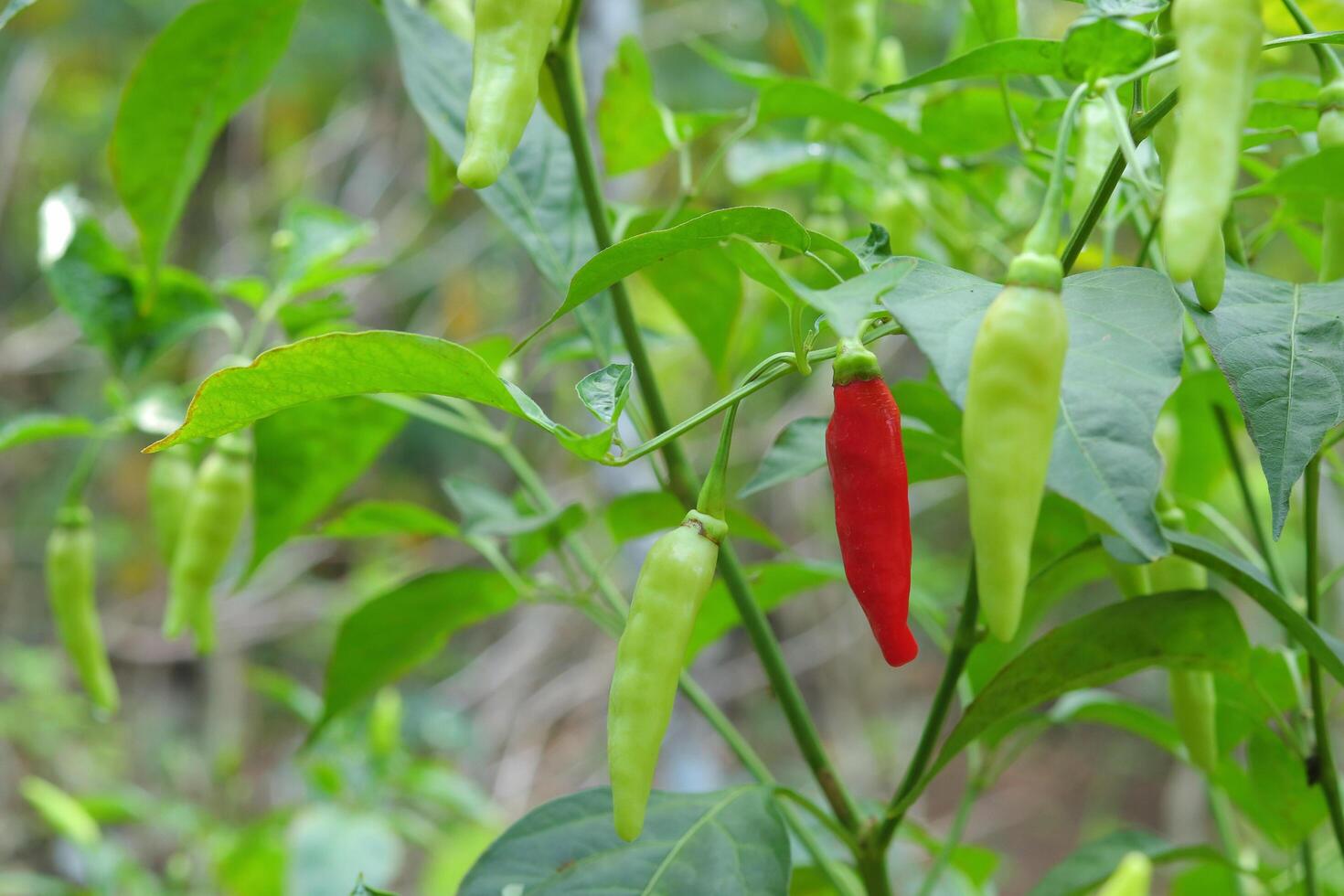
Chili plants are compact, productive, and surprisingly low maintenance. If you love adding spice to your meals, this is one of the best vegetables for rooftop garden beginners.
Why Chili Plants Thrive in Containers
Chili plants adapt beautifully to pots as small as 10 inches. They require full sunlight and moderate watering. Once established, they produce continuously for months.Harvest & Yield Expectations
A single healthy plant can produce 50–100 chilies per season depending on variety. That’s an impressive return for such a small footprint. Chili plants also enhance rooftop aesthetics with their glossy leaves and colorful fruits. For balcony and terrace vegetable plants, they offer both beauty and productivity. ---Common Rooftop Gardening Mistakes to Avoid
Even the best vegetables can fail if common mistakes aren’t avoided. One major mistake beginners make is using regular garden soil in pots. This often causes drainage issues and root rot. Always use lightweight potting mix for how to grow vegetables in pots successfully. Another common issue is overwatering. Rooftops can get hot, but that doesn’t mean plants need constant water. Instead, check soil moisture before watering. Wind exposure is another overlooked factor in urban rooftop farming. Strong winds can damage tomato stems and dry out spinach quickly. Installing simple wind barriers can solve this problem.Example of improper rooftop gardening setup with poor drainage and overcrowded containers
Learning from these mistakes early saves time, money, and frustration.Organic Rooftop Garden Tips for Maximum Yield
If your goal is chemical-free produce, organic methods are essential. Start by using compost made from kitchen scraps. It enriches soil naturally. Neem oil works effectively against common pests without harming beneficial insects. Rotate crops between seasons to maintain soil fertility. For example, after harvesting spinach, plant chilies in the same pot with fresh compost. Also, ensure proper spacing between containers. Crowding reduces airflow and increases disease risk. Consistency beats perfection in rooftop gardening. A simple routine of sunlight monitoring, watering discipline, and monthly compost feeding can dramatically improve yields. ---Frequently Asked Questions
How much sunlight do rooftop vegetables need?
Most vegetables require 5–8 hours of direct sunlight daily. Tomatoes and chilies prefer full sun, while spinach tolerates partial shade.Can I grow vegetables without large pots?
Yes. Many easy vegetables to grow on terrace setups, like spinach and chilies, thrive in medium-sized containers.Is rooftop gardening safe for buildings?
Yes, as long as weight load is managed and proper waterproofing is ensured.How often should I fertilize container vegetables?
Every 2–3 weeks using compost or organic liquid fertilizer is ideal.Pros & Cons of Rooftop Vegetable Gardening
Pros
Fresh, organic vegetables at home Reduces grocery expenses Eco-friendly lifestyle Improves mental well-being Enhances property aestheticsCons
Initial setup cost for containers Requires consistent maintenance Weather exposure risks Despite minor challenges, the benefits far outweigh the drawbacks.Final Thoughts
Starting a rooftop garden might feel intimidating at first. But once you plant your first tomato seedling or harvest your first batch of spinach, everything changes.
The best vegetables for rooftop garden beginners — tomatoes, spinach, and chili peppers — are simple, rewarding, and incredibly productive.
You don’t need acres of land. You don’t need expert knowledge. You only need the willingness to begin.
Your rooftop has untapped potential. Turn it into a green sanctuary. Start small. Stay consistent. And most importantly — enjoy the process.
The End
Rooftop gardening is more than growing food — it’s about building sustainability, health, and independence in urban life. Your journey begins with a single plant.
Internal & External Linking Suggestions
Internal Linking Suggestions:
-
Beginner Guide to Container Gardening
-
Organic Pest Control for Home Gardens
-
Best Soil Mix for Terrace Gardening
-
DIY Composting at Home
External Linking Suggestions:
-
Urban agriculture research statistics websites
-
Government agriculture extension resources
-
Organic certification education resources

No comments:
Post a Comment