

How to Grow and Care for Desert Rose: A Complete Guide
| Common Name | Desert Rose, Sabi Star, Mock Azalea, Impala Lily |
| Family | Apocynaceae |
| Plant Type | Succulent, perennial |
| Mature Size | 3-9 feet tall (outdoors), 1-3 feet (indoors), 2-5 feet wide |
| Sun Exposure | Full sun (6+ hours daily) |
| Soil Type | Sandy, well-draining, cactus mix |
| Soil pH | Slightly acidic to neutral (6.0-7.0) |
| Bloom Time | Summer (can bloom nearly year-round in ideal conditions) |
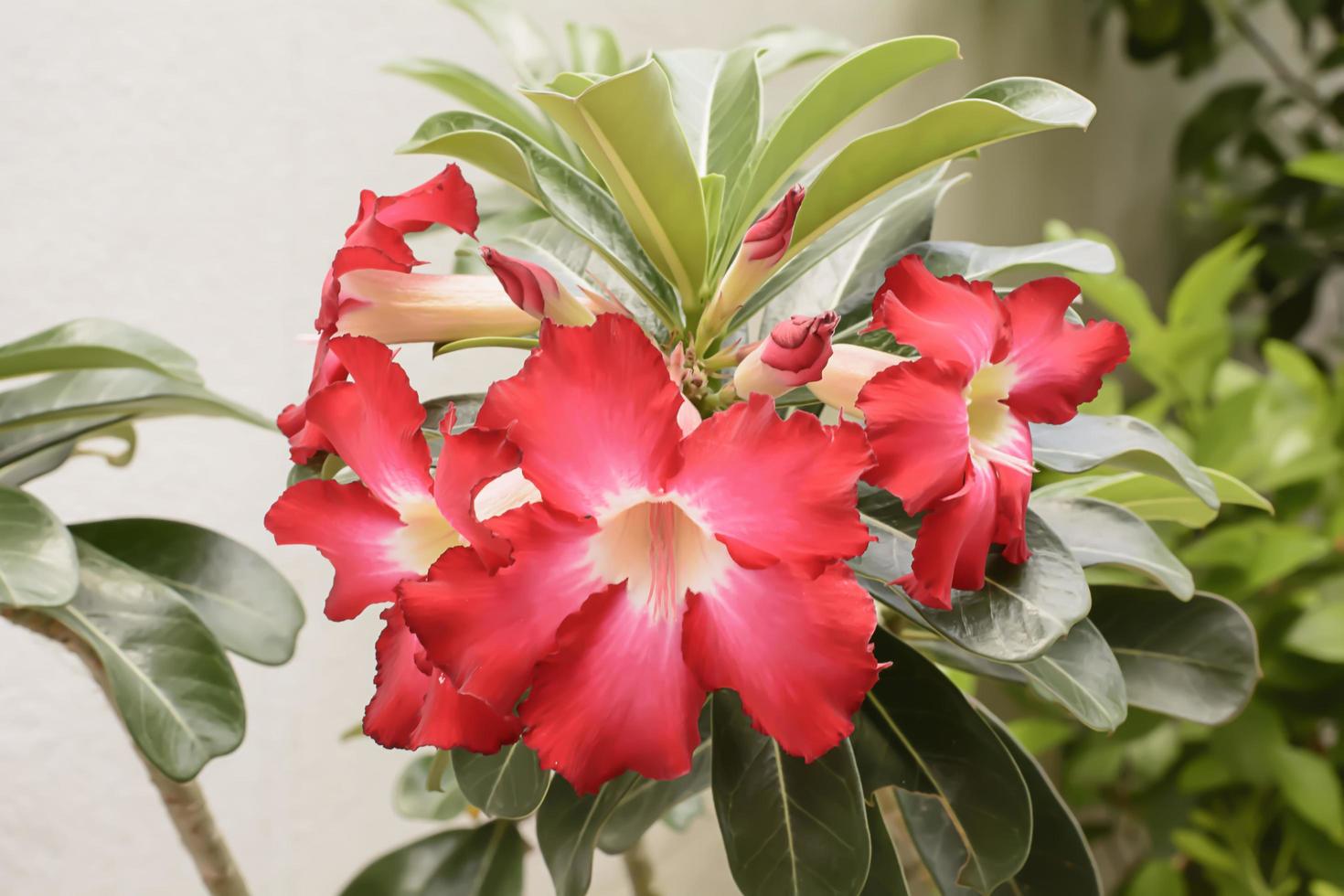
| Flower Color | Pink, red, white, rose, bicolor |
| Hardiness Zones | 10-12 (USDA) |
| Native Area | Eastern Africa, Arabian Peninsula |
Few plants create a conversation starter quite like the Desert Rose (Adenium obesum). With its thick, swollen caudex that resembles an elephant's foot and vibrant, trumpet-shaped flowers that burst forth in shades of pink, red, and white, this succulent gem brings a touch of the exotic to any space.
I remember the first time I saw a mature Desert Rose at a botanical garden—its twisted, bonsai-like trunk and the explosion of blooms made me stop in my tracks. That was fifteen years ago, and since then, I've grown dozens of these fascinating plants. Here's the honest truth: they're not the easiest houseplants, but once you understand their language—which is mostly about sun, drainage, and patience—they reward you with decades of stunning beauty.
Whether you're bringing one home from the nursery or have been struggling to get yours to bloom, this guide covers everything I've learned about keeping Desert Roses happy and thriving.
Care
Getting Desert Rose care right comes down to mimicking its native environment: hot, sunny, and dry. When you get these elements right, the plant practically takes care of itself.
Light Requirements

This is non-negotiable: Desert Roses are sun worshipers. They need at least 6 hours of direct sunlight daily to bloom well. In my experience, the difference between a plant getting full sun versus bright indirect light is dramatic—the full-sun plants bloom profusely, while those in less light grow leggy and flower sparingly, if at all.
Watering
Here's where most people go wrong. Desert Roses store water in their swollen caudex and thick roots, making them extremely drought-tolerant—and extremely susceptible to root rot.
The Soak and Dry Method:
- During active growth (spring and summer): Water thoroughly when the soil is completely dry. For most containers, this means every 7-10 days, depending on heat and humidity.
- During dormancy (fall and winter): Reduce watering dramatically. Once every 3-4 weeks is often enough, just enough to prevent the stems from shriveling completely.
Soil
Regular potting soil is a death sentence for Desert Roses. They need extremely fast-draining soil that doesn't hold moisture.
My go-to mix:
- 50% cactus and succulent soil
- 30% perlite or pumice
- 20% coarse sand
Temperature and Humidity
Desert Roses thrive in heat. Their ideal temperature range is 70°F to 95°F (21°C to 35°C) during the growing season.
Critical warning: These plants have zero frost tolerance. If temperatures drop below 50°F (10°C), it's time to bring them indoors. Even a brief exposure to frost can kill them.
Fertilizer
Feed your Desert Rose during the active growing season for best blooms. I use a balanced, water-soluble fertilizer (20-20-20) diluted to half strength every 3-4 weeks from spring through early fall.
Types
The species Adenium obesum has been extensively hybridized, resulting in stunning varieties with different flower colors, forms, and growth habits. Here are some favorites that I've grown over the years:
| Variety Name | Flower Color | Special Characteristics |
|---|---|---|
| 'Double Petal' | Various shades | Layered, rose-like blooms with extra petals |
| 'Black Beauty' | Deep red to nearly black | Dramatic dark flowers, slow grower |
| 'Santa Claus' | Red with white edges | Festive bicolor pattern, vigorous grower |
| 'Cream of the Crop' | Pure white | Elegant, blooms heavily in summer |
| 'Petch Bung Sricha' | Hot pink with white center | Thai hybrid, compact growth |

Dwarf Varieties
For container gardeners with limited space, dwarf Desert Roses are perfect. They reach only 12-18 inches tall but produce full-sized flowers. 'Dwarf Pink' and 'Mini White' are two reliable choices that stay compact naturally.
Pruning
Pruning serves two purposes with Desert Roses: shaping the plant for aesthetic appeal and encouraging bushier growth with more blooms.
When to Prune
The best time is early spring, just as the plant is coming out of winter dormancy and before the main flowering season.
How to Prune
- Use clean, sharp tools—sterilize with rubbing alcohol to prevent disease transmission.
- Cut at a 45-degree angle, about ¼ inch above a leaf node or branch junction.
- Remove any dead, damaged, or crossing branches first.
- Shape for balance, keeping in mind that new growth will emerge from just below each cut.
- Seal large cuts (over ½ inch) with cinnamon powder or pruning sealant to prevent rot.
Propagating
Propagating Desert Roses is deeply satisfying, though it requires some patience. There are two main methods, each with different outcomes.
From Cuttings (Easier, Faster)
This method produces a plant identical to the parent but will not develop a prominent caudex.
Growing in Pots
Container growing is the most common way to enjoy Desert Roses, especially outside tropical zones. The right pot makes all the difference.
Pot Selection
Material: Unglazed terra cotta is ideal. It's porous, allowing soil to dry faster and roots to breathe.
Overwintering
For those of us outside zones 10-12, overwintering is the most critical period for Desert Rose survival.
Bloom
The flowers are why most of us grow Desert Roses, and getting them to bloom reliably is the ultimate reward.
Pests & Diseases
Desert Roses are relatively tough but can encounter problems, especially when stressed.
Common Issues
Even experienced growers encounter problems. Here's how to diagnose and fix the most common issues.
"Comparison of leggy Desert Rose from insufficient light versus compact, blooming plant in full sun"FAQ
Final Thoughts
Growing Desert Roses has taught me patience and observation more than almost any other plant. They operate on their own schedule, responding to the sun's intensity and the seasons in ways we can't rush. But when that first bud appears, swelling slowly over weeks before exploding into those perfect, almost artificial-looking flowers—it's worth every bit of waiting.
Start with the basics: maximum sun, minimal water, perfect drainage. Listen to what your plant tells you through its leaves and caudex. Before long, you'll have a specimen that stops visitors in their tracks and asks, "What is THAT?"

No comments:
Post a Comment