

Animal World > Wild Birds
Endangered Wild Birds You Should Know About (And How to Help)
By SALAUDDIN KAWSAR ǀ Published on 03/04/2026
Introduction
There is a profound, almost spiritual magic in witnessing a flash of iridescent emerald or a streak of sunset orange darting through a forest canopy. For nature lovers and home gardeners, wild birds are more than just animals; they are the "winged jewels" of our planet. Whether you are a seasoned ornithologist or a beginner clutching your first pair of binoculars, the quest to see the most beautiful wild birds in the world is a journey that connects us to the raw, unfiltered artistry of evolution.
In this comprehensive guide, we go beyond simple aesthetics. We delve into the lives of amazing bird species that defy imagination with their plumage, courtship dances, and survival instincts. From the mist-covered cloud forests of South America to the serene ponds of East Asia, these colorful wild birds represent the pinnacle of avian splendor. Our mission today is to provide you with an immersive experience that combines stunning bird photos (mental and digital) with high-value scientific insights, ensuring your next birding adventure is as educational as it is breathtaking.
Bird Profiles: Quick Facts & Biology
Before we dive into our curated list, it is essential to understand the biological foundations of these creatures. While beauty is subjective, the biological traits that define these species are concrete.
Common Names: Resplendent Quetzal, Lilac-breasted Roller, Mandarin Duck, Golden Pheasant, etc.
Genetic Lineage: Most ornamental birds belong to the orders Passeriformes (perching birds) or Galliformes (heavy-bodied ground feeders).
Lifestyle: Predominantly diurnal (active during the day) to showcase their visual signals for mating.
Lifespan: Varies significantly; small songbirds may live 2–5 years, while larger tropical species can reach 15–20 years in the wild.
Common Food: A diverse diet ranging from protein-rich insects and small amphibians to nectar, seeds, and wild fruits.
Living Area: Habitats span from tropical rainforests and alpine meadows to suburban gardens.
In This Article
- The California Condor: A Giant on the Edge
- The Kakapo: The World’s Only Flightless Parrot
- Philippine Eagle: The Apex Predator’s Struggle
- Regent Honeyeater: The Vanishing Song of Australia
- The Spix’s Macaw: Hope for the Little Blue Macaw
- Primary Threats: Why Birds Are Facing Extinction
- Wildlife Conservation Strategies That Actually Work
- How to Protect Wild Birds in Your Own Backyard
The California Condor: A Giant on the Edge
 |
| California Condor soaring over the Grand Canyon, endangered wild birds focus |
The story of the California Condor is perhaps the most dramatic example of wildlife conservation birds in modern history. With a wingspan stretching nearly ten feet, these prehistoric-looking scavengers once ruled the skies of Western North America. However, by the late 1980s, the population plummeted to just 22 individuals. This collapse was driven largely by lead poisoning—the birds would ingest lead shot from animal carcasses left by hunters—and habitat encroachment. Conservationists took a controversial and desperate step: they captured every remaining wild condor to begin an intensive captive breeding program. The success of this intervention is a testament to human ingenuity, as birds were slowly reintroduced into the wild in California, Arizona, and Mexico. Today, while their numbers have climbed back to over 500, they remain one of the most rare wild birds on the planet. Their lifestyle is a slow-motion marvel. They can live up to 60 years, but they reproduce very slowly, often laying only one egg every two years. This makes every single bird vital to the survival of the species. Protecting these birds requires a shift in human behavior, specifically the move toward non-lead ammunition to ensure the environment they return to is no longer toxic.
The Kakapo: The World’s Only Flightless Parrot
 |
| Kakapo parrot on a mossy forest floor, rare wild birds profile |
In the mossy, temperate rainforests of New Zealand lives the Kakapo, a bird that defies almost every parrot stereotype. It is nocturnal, it cannot fly, and it is the heaviest parrot in the world. Its moss-green plumage provides perfect camouflage against the forest floor, but this defense was useless against the invasive predators—like stoats and cats—introduced by settlers. The Kakapo is a "lek" breeder, meaning males gather in an arena to perform deep, resonating "booms" that can be heard for miles to attract females. Because they only breed when the native Rimu trees produce fruit (roughly every 2 to 4 years), their population growth is naturally capped. Current conservation efforts have seen the population rise to around 250 individuals, all of which are closely monitored by the New Zealand Department of Conservation. Each bird is named, and many are fitted with smart transmitters that track their health and mating success. This level of wildlife conservation birds management is unprecedented. The Kakapo represents a unique genetic lineage that, if lost, would leave a massive void in avian evolutionary history. Supporting island sanctuary programs is currently the best way to ensure these quirky parrots survive.
Philippine Eagle: The Apex Predator’s Struggle
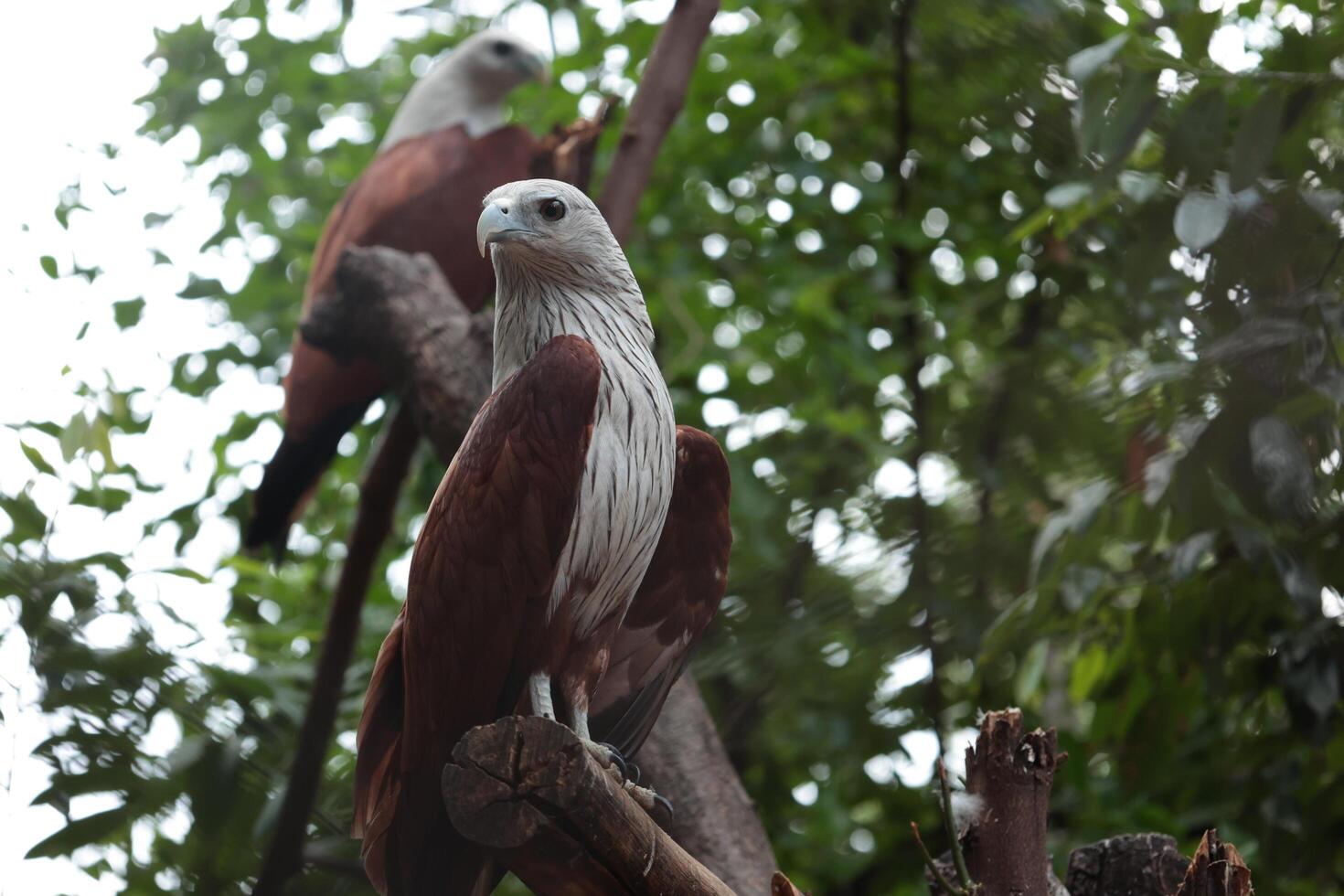 |
| Philippine Eagle with its distinctive crest, birds facing extinction |
Often called the "Monkey-eating Eagle," this magnificent raptor is the national bird of the Philippines and one of the largest eagles in the world. It is a forest specialist, requiring vast tracts of old-growth tropical rainforest to hunt and nest. Unfortunately, the Philippines has lost a staggering percentage of its original forest cover to logging and agriculture, leaving the endangered wild birds with nowhere to go. The Philippine Eagle is an apex predator, meaning it sits at the top of the food chain. When the population of an apex predator declines, it indicates that the entire ecosystem beneath it is failing. Currently, there are estimated to be fewer than 400 pairs remaining in the wild. They are incredibly loyal birds, often staying with the same mate for life and raising a single chick every two years. Conservation groups are working tirelessly to establish protected corridors and engage local communities in "forest guarding." By providing livelihoods to locals that don't involve logging, conservationists are creating a sustainable future where the eagle can thrive. This is a prime example of why how to protect wild birds often starts with protecting human communities and their relationship with nature.
Regent Honeyeater: The Vanishing Song of Australia
 |
| Regent Honeyeater feeding on eucalyptus nectar, endangered bird species list |
Australia’s Regent Honeyeater is facing a crisis that is as much cultural as it is biological. These striking black-and-gold birds are nomadic, following the flowering cycles of eucalyptus trees across South-Eastern Australia. As their habitat has been cleared for grazing and urban development, their numbers have thinned to the point where young males are "losing their song." In many bird species, songs are learned from elders. Because the population is so fragmented, young Regent Honeyeaters often grow up without hearing another of their kind. They begin to mimic the songs of other species, which makes them unable to attract a mate of their own kind. This avian "cultural loss" is a heart-wrenching example of how extinction works on multiple levels. Volunteer-driven tree planting initiatives are the backbone of this bird's recovery. By restoring the specific "Box-Ironbark" woodlands they require, conservationists hope to bridge the gaps between isolated populations. This species highlights that endangered wild birds often need more than just a lack of predators; they need a landscape that allows their natural behaviors to flourish.
The Spix’s Macaw: Hope for the Little Blue Macaw
 |
| Spix's Macaw in its native Brazilian habitat, rare wild birds |
If you have ever seen the movie "Rio," you are familiar with the Spix’s Macaw. In reality, the situation was much bleaker than the films suggested. The Spix’s Macaw was declared extinct in the wild in 2000. For two decades, the species existed only in captive breeding facilities around the world. However, 2022 marked a historic turning point. A group of Spix’s Macaws was released back into their native Caatinga dry forest in Brazil. This reintroduction project is a global collaboration involving governments, private collectors, and scientists. It serves as a beacon of hope for all birds facing extinction, proving that with enough resources and political will, we can reverse the "extinct in the wild" status. The success of the Spix’s Macaw depends on the continued protection of the Caraiba trees they nest in and the ongoing monitoring of the newly released individuals. It is a high-stakes experiment in wildlife conservation birds biology. Their return to the wild is a symbolic victory for the entire environmental movement.
Primary Threats: Why Birds Are Facing Extinction
To understand how to protect wild birds, we must first identify the enemies of avian biodiversity. The threats are rarely singular; they often overlap to create a "perfect storm" of decline. Habitat Destruction and Fragmentation This remains the number one threat. Whether it’s the Amazon being cleared for cattle or a local woodlot being turned into a shopping mall, the loss of "home" is devastating. Fragmentation is particularly dangerous because it leaves small populations isolated, leading to inbreeding and higher vulnerability to local disasters. Invasive Species On islands, especially, introduced predators like rats, cats, and mongoose have decimated bird populations that evolved without ground predators. The Kakapo is a classic victim of this trend. Climate Change and Shifting Seasons Birds rely on "phenology"—the timing of biological events. If climate change causes insects to hatch two weeks earlier than usual, migratory birds arriving at their usual time may find no food for their chicks. This mismatch is a silent killer for many endangered wild birds.Wildlife Conservation Strategies That Actually Work
While the situation is dire, we are not helpless. Several strategies have proven effective in pulling species back from the brink. Captive Breeding and Reintroduction As seen with the California Condor and Spix’s Macaw, breeding birds in controlled environments can provide a safety net. However, this is expensive and should always be a last resort compared to habitat protection. Community-Based Conservation When local people benefit from the presence of rare wild birds—through ecotourism or conservation jobs—they become the birds' fiercest protectors. This is the model used for the Philippine Eagle. Legislative Protection Laws like the Endangered Species Act (USA) or the Migratory Bird Treaty Act provide the legal "teeth" needed to stop harmful developments and prosecute poachers.How to Protect Wild Birds in Your Own Backyard
You don't need to be a scientist in a remote jungle to make a difference. Wildlife conservation birds can start right at your doorstep.
Make Windows Safe: Millions of birds die annually from window collisions. Use bird-safe decals or UV-reflective film to make your glass visible to them.
Keep Cats Indoors: Domestic cats are a leading cause of bird mortality. Keeping them indoors or in a "catio" saves billions of birds every year.
Plant Native Species: Replace your lawn with native plants that provide the specific seeds, nectar, and insects your local birds evolved to eat.
Avoid Pesticides: Pesticides kill the insects that 96% of land birds feed to their young. A "buggy" garden is a healthy garden for birds.
Support Certified Coffee: Buy "Bird-Friendly" certified coffee, which ensures the beans are grown under a canopy of trees that provide habitat for migratory birds.
Don't Miss This: Expert Tips for Bird Advocates
To be an effective advocate for endangered wild birds, keep these insider tips in mind:
Expert Tip: Use apps like eBird to log your sightings. This "citizen science" data is used by researchers to track population trends and determine which areas need protection.
Common Mistake: Avoid feeding birds bread or human scraps. These provide "empty calories" and can cause developmental issues like "angel wing" in waterfowl.
Insider Advice: Join a local birding club. Not only will you learn more, but these organizations often have the political clout to influence local land-use decisions that affect rare wild birds.
FAQ: Endangered Wild Birds
Q: What is the most endangered bird in the world?
A: It changes based on census data, but species like the Hawaiian Crow (extinct in the wild) and the Stresemann's Bristlefront are among the most critically endangered.
Q: Why should we care if a bird goes extinct?
A: Birds provide essential services: pest control, pollination, and seed dispersal. Their loss can cause "trophic cascades" that collapse entire ecosystems.
Q: Is climate change the biggest threat to birds?
A: Habitat loss is currently the biggest threat, but climate change is rapidly becoming a top driver of extinction, especially for migratory and alpine species.
Q: How can I help if I don't have much money?
A: Being a citizen scientist (using eBird) and practicing bird-friendly habits at home costs nothing but makes a massive collective impact.
Q: Are there any success stories in bird conservation?
A: Yes! The Bald Eagle and the Peregrine Falcon were both once on the endangered bird species list but have since recovered and been delisted.
Q: Does urban bird feeding really help?
A: During harsh winters or migration, clean feeders with high-quality seed can be a lifeline, but they should supplement, not replace, native habitat.
Q: What is "Bird-Friendly" cocoa or coffee?
A: It is a certification that ensures the product was grown in a way that maintains the forest canopy, providing vital wintering grounds for migratory birds.
Pros & Cons of Modern Bird Conservation
| Strategy | Pros | Cons |
| Captive Breeding | Prevents immediate extinction; builds "insurance" populations. | Extremely expensive; birds may lose wild survival instincts. |
| Habitat Protection | Benefits entire ecosystems and multiple species at once. | Can face heavy political and corporate opposition. |
| Ecotourism | Generates revenue for local communities and conservation. | If not managed, can disturb nesting birds and degrade habitat. |
Conclusion
The fate of endangered wild birds is inextricably linked to our own. When we fight to protect a rare parrot or a soaring eagle, we are fighting for a world that is diverse, resilient, and beautiful. While the challenges—from habitat loss to climate change—are significant, the success stories of the California Condor and the Spix’s Macaw prove that birds facing extinction can be saved if we act with urgency and compassion.
Every action counts. Whether you are planting a native shrub, donating to a conservation NGO, or simply sharing this article to raise awareness, you are a part of the solution. Let's ensure that future generations inherit a world filled with the vibrant colors and songs of rare wild birds.
Will you take the pledge to make your home bird-friendly today? Share this guide with your fellow nature lovers and comment below on which species you are most passionate about protecting!
Internal & External Linking Suggestions
Internal Link Ideas:
10 Best Native Plants for a Bird-Friendly Backyard
How to Choose the Best Binoculars for Wildlife Observation
The Role of Citizen Science in Modern Conservation
A Beginner’s Guide to Bird Photography: Ethical Tips
Top 5 Environmental NGOs You Should Support This Year
External Link Suggestions:
BirdLife International (The global authority on bird conservation status)
The IUCN Red List of Threatened Species (For official endangerment statistics)
American Bird Conservancy (Focused on threats like collisions and pesticides)
The Cornell Lab of Ornithology (For bird identification and citizen science)
World Wildlife Fund (WWF) (For broad-scale habitat protection initiatives)
