

Garden > Plants Problem
Why Is My Monstera Deliciosa Turning Yellow? Complete Guide to Saving a Distressed Monstera and Restoring Healthy Green Growth
By SALAUDDIN KAWSAR ǀ Published on 06/02/2026
Introduction
Few houseplants have become as popular among indoor gardening enthusiasts as the Monstera Deliciosa. Known for its large split leaves, tropical appearance, and easy-care nature, Monstera has become a centerpiece in modern homes, apartments, offices, and interior design spaces around the world. A healthy Monstera instantly brings life, freshness, and natural beauty into any room.
However, many plant owners experience a common problem: yellowing leaves. One day your Monstera appears healthy and vibrant, and the next you notice leaves turning yellow, drooping, or developing brown spots. When placed beside a thriving deep-green Monstera, the contrast can be alarming. The distressed plant may appear weak and unhealthy while the healthy one showcases glossy foliage and vigorous growth.
The good news is that yellowing leaves are often the plant's way of communicating that something in its environment needs attention. In many cases, early intervention can reverse the problem and help the plant recover completely.
In this comprehensive guide, we will explore why Monstera leaves turn yellow, how to identify the exact cause, effective recovery methods, and expert care techniques that can restore your plant's lush tropical beauty. Whether you're a beginner houseplant owner or an experienced indoor gardener, understanding these warning signs can help keep your Monstera thriving for years.
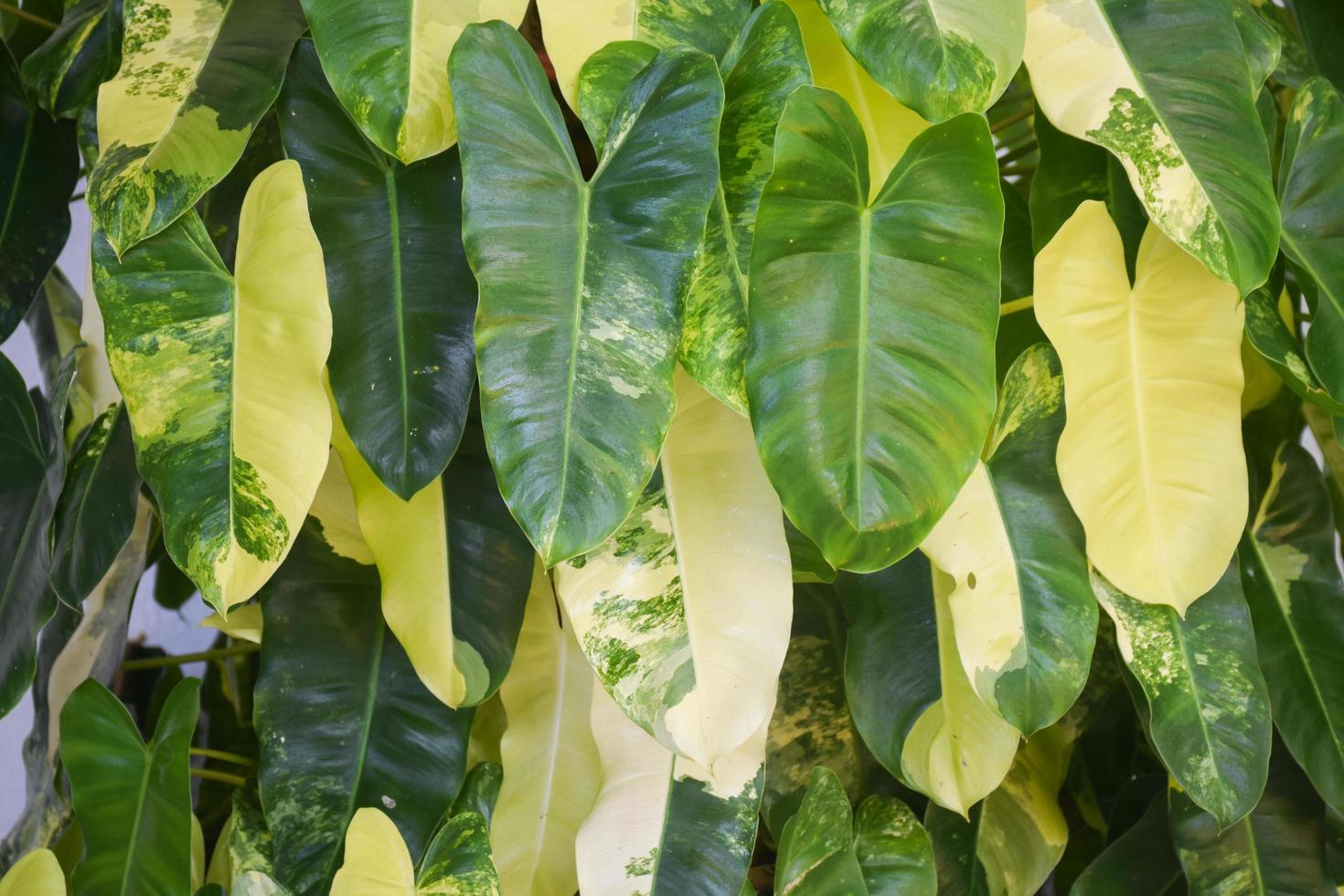
Understanding Monstera Deliciosa
Monstera Deliciosa is a tropical plant native to the rainforests of Central America. In its natural habitat, it grows beneath the forest canopy, climbing trees while receiving filtered sunlight, warm temperatures, and consistent humidity.
This natural environment explains many of the plant's care requirements indoors. When conditions inside a home differ significantly from its preferred environment, stress symptoms often begin to appear. Yellow leaves are among the earliest and most common warning signs.
A healthy Monstera typically displays rich green foliage, strong stems, steady growth, and occasional new leaves unfurling during the growing season. When a plant begins producing yellow leaves, something is interfering with these natural processes.
Why Monstera Leaves Turn Yellow
Yellow leaves can result from several different causes. The challenge for plant owners is identifying which specific factor is responsible.
Unlike pest infestations that often leave obvious evidence, yellowing leaves may stem from environmental conditions, watering mistakes, nutrient imbalances, root problems, or natural aging.
Understanding each possibility helps prevent misdiagnosis and ensures effective treatment.
Overwatering: The Most Common Cause
Overwatering is the number one reason Monstera leaves turn yellow.
Many plant owners mistakenly assume that more water equals better care. In reality, Monstera roots need oxygen as much as they need moisture. When soil remains constantly wet, air pockets disappear and roots begin to suffocate.
Over time, soggy soil encourages fungal growth and root rot. Damaged roots lose their ability to absorb nutrients and water efficiently, causing leaves to yellow and wilt.
Signs of overwatering include:
- Multiple yellow leaves appearing simultaneously
- Soft stems
- Wet soil that remains damp for days
- Foul-smelling potting mix
- Slow growth
If overwatering continues unchecked, root rot can become severe enough to kill the entire plant.
Underwatering and Drought Stress
While overwatering is common, underwatering can also trigger yellow leaves.
A dehydrated Monstera struggles to maintain healthy leaf tissue. As moisture reserves become depleted, older leaves often begin yellowing before eventually browning and falling off.
Common symptoms include:
- Dry soil pulling away from the pot edges
- Crispy leaf margins
- Drooping foliage
- Slowed growth
Consistent watering practices help prevent both extremes.

Poor Lighting Conditions
Monstera Deliciosa thrives in bright indirect light.
A distressed Monstera positioned in a dark corner often struggles to perform photosynthesis efficiently. Over time, reduced energy production can result in yellowing leaves and weak growth.
Conversely, excessive direct sunlight may scorch leaves and cause discoloration.
The healthiest Monstera plants typically receive several hours of bright filtered light each day.
A bright living room with indirect sunlight often provides ideal conditions.
Root Rot: A Hidden Threat
One of the most serious causes of yellowing leaves is root rot.
Root rot develops when roots remain exposed to excessive moisture for prolonged periods. Harmful fungi begin attacking the root system, causing tissue breakdown.
Healthy roots should appear firm and white.
Rotting roots become:
- Brown
- Black
- Mushy
- Foul smelling
Because roots are hidden beneath the soil, many gardeners do not recognize root rot until substantial damage has occurred.
Early intervention significantly improves recovery chances.

Nutrient Deficiencies
Like all plants, Monstera requires essential nutrients for healthy growth.
Deficiencies in nitrogen, magnesium, iron, or potassium can cause leaves to lose their rich green color.
Nitrogen deficiency often produces widespread yellowing.
Magnesium deficiency may create yellow areas between leaf veins while the veins themselves remain green.
Regular fertilization during the growing season helps prevent these problems.
Natural Aging of Leaves
Not all yellow leaves indicate a problem.
Older leaves naturally age and eventually die as the plant directs energy toward new growth.
When only one or two lower leaves turn yellow while new leaves continue emerging, natural aging is often the explanation.
In such cases, simple pruning is all that is needed.
Comparing a Distressed Monstera to a Healthy One
Placing a struggling Monstera beside a thriving plant makes differences easy to observe.
A healthy Monstera typically shows:
- Deep green foliage
- Strong upright stems
- New leaf production
- Firm leaf texture
- Visible fenestrations (leaf splits)
A distressed Monstera may display:
- Yellowing leaves
- Wilting
- Drooping stems
- Smaller new leaves
- Slowed growth
These visual comparisons often help gardeners identify problems early.
How to Save a Yellowing Monstera
Recovery begins with identifying the underlying cause.
The first step is inspecting soil moisture. If soil remains wet for extended periods, reduce watering immediately.
Next, check drainage. Pots should always have drainage holes to prevent standing water.
If root rot is suspected, carefully remove the plant from its container and inspect the roots.
Trim away damaged roots using sterile scissors and repot the plant into fresh, well-draining soil.
Choosing the Best Soil for Monstera
Monstera prefers airy soil that balances moisture retention and drainage.
An effective mix may contain:
- Potting soil
- Coco coir
- Perlite
- Orchid bark
- Compost
This combination creates oxygen-rich conditions that support healthy root development.
Dense compacted soil should be avoided.
Improving Humidity Levels
Because Monstera originates from tropical forests, it appreciates moderate to high humidity.
Dry indoor air can stress the plant, particularly during winter months when heating systems operate frequently.
Increasing humidity may involve:
- Humidifiers
- Pebble trays
- Grouping plants together
Higher humidity encourages larger leaves and healthier growth.
Proper Watering Techniques
Rather than watering on a strict schedule, monitor soil moisture.
Water thoroughly when the top few inches of soil feel dry.
Allow excess water to drain completely.
Avoid letting the pot sit in standing water.
This simple habit dramatically reduces the risk of root problems.
Fertilizing for Healthy Green Leaves
During spring and summer, Monstera benefits from balanced fertilization.
A quality houseplant fertilizer provides essential nutrients needed for vigorous growth.
Overfertilization should be avoided, as excess salts can damage roots and create additional stress.
Moderation is key.
Preventing Future Yellow Leaves
Prevention is easier than treatment.
Healthy Monstera care involves:
- Consistent watering
- Bright indirect light
- Well-draining soil
- Proper humidity
- Routine inspection
Monitoring your plant regularly allows problems to be addressed before significant damage occurs.
Why Healthy Monstera Plants Enhance Interior Spaces
Beyond their beauty, healthy Monstera plants improve indoor environments.
Large green leaves create visual calmness and contribute to a relaxing atmosphere. Their sculptural appearance complements modern, minimalist, tropical, and contemporary interior designs.
A thriving Monstera often becomes the focal point of a bright living room, adding natural elegance and vibrant energy to the space.
Conclusion
A distressed Monstera Deliciosa with yellowing leaves may look alarming, especially when compared to a healthy, vibrant green specimen nearby. However, yellow leaves are not necessarily a sign that the plant is beyond saving. They simply indicate that the plant needs attention.
By understanding the most common causes—including overwatering, root rot, lighting issues, nutrient deficiencies, and humidity problems—you can diagnose the issue accurately and take corrective action.
With proper care, patience, and consistent maintenance, many struggling Monstera plants can recover completely and return to producing the lush, tropical foliage that makes them one of the world's most beloved houseplants.
A healthy Monstera is more than just a decorative plant—it is a living reminder that growth, resilience, and beauty often return when the right conditions are restored.
Frequently Asked Questions
Why are my Monstera leaves turning yellow but not brown?
Yellow leaves often indicate overwatering, nutrient deficiencies, or insufficient light before more severe damage develops.
Should I remove yellow Monstera leaves?
Yes. Once a leaf becomes completely yellow, pruning it allows the plant to redirect energy toward healthy growth.
Can a Monstera recover from root rot?
Yes. Early detection, root trimming, and repotting into fresh soil can save many plants.
How often should I water a Monstera?
Water when the top 2–3 inches of soil feel dry rather than following a fixed schedule.
Does humidity affect Monstera health?
Absolutely. Higher humidity supports healthier foliage, stronger growth, and larger leaves.

No comments:
Post a Comment