

How to Remove Laundry Stains Naturally (No Harsh Chemicals)
There's a special kind of heartbreak that comes with pulling your favorite shirt out of the closet, only to spot a stubborn coffee stain staring back at you. Or maybe it's your child's school uniform, splashed with grass and mystery sauce after recess. Whatever the culprit, tough stains have a way of showing up at the worst possible time.
The good news? You don't need a cabinet full of harsh, chemical-laden products to win the battle against stains. In fact, some of the most effective stain fighters are probably already sitting in your kitchen pantry right now. This guide will walk you through practical, natural ways to remove laundry stains without exposing your family, your skin, or the environment to unnecessary chemicals.
Whether you're dealing with coffee, grease, wine, or grass, you'll find real solutions here — backed by simple science, everyday ingredients, and a little patience. Let's get those stains out for good.
- Why Natural Stain Removal Actually Works
- Essential Natural Stain-Fighting Ingredients
- How to Remove Coffee Stains Naturally
- How to Remove Grease Stains Naturally
- Removing Wine, Blood, and Grass Stains
- General Laundry Hacks for Everyday Stains
- Common Mistakes That Set Stains Permanently
- Pros and Cons of Natural Stain Removal
- Frequently Asked Questions
Why Natural Stain Removal Actually Works
Many people assume that only powerful chemical detergents can tackle tough stains, but that's simply not true. Most stains are made up of organic compounds — proteins, oils, tannins, or pigments — and natural ingredients like vinegar, baking soda, and lemon juice interact with these compounds in ways that break them down effectively.
For example, white vinegar is mildly acidic, which helps dissolve mineral deposits and breaks down protein-based stains. Baking soda is alkaline and works as a gentle abrasive, lifting stains from fabric fibers without damaging them. When combined, these two create a natural fizzing reaction that can loosen even dried-in stains.
There's also a growing body of consumer interest behind this shift. Surveys from household product researchers have repeatedly shown that a large share of consumers actively seek eco-friendly alternatives for home cleaning, largely due to concerns about skin sensitivity, indoor air quality, and environmental impact. Natural stain remover methods appeal to this audience because they're affordable, accessible, and gentle on both fabric and skin.
Beyond effectiveness, there's a practical reason natural methods have stood the test of time: they don't require special storage, they're safer around children and pets, and they rarely damage delicate fabrics the way some harsh commercial products can.

Simple pantry ingredients can outperform expensive stain removers.
Essential Natural Stain-Fighting Ingredients
Before diving into specific stain solutions, it helps to know your toolkit. These ingredients form the backbone of nearly every natural laundry hack you'll ever need.
White Vinegar
A workhorse for brightening fabric, removing odors, and breaking down protein and mineral stains. It also acts as a natural fabric softener.
Baking Soda
Absorbs grease, lifts dried stains, and neutralizes odors. It's particularly useful as a pre-treatment paste for oil-based marks.
Lemon Juice
Contains natural bleaching properties thanks to citric acid, making it ideal for brightening whites and tackling yellow discoloration.
Salt
Works wonders on fresh stains like wine or blood by absorbing moisture before it sets into fibers.
Hydrogen Peroxide
A gentler alternative to chlorine bleach, effective on blood and organic stains, though it should always be tested on a hidden area first.
Having these five items on hand means you're prepared for almost any laundry emergency that walks through your door — quite literally.
How to Remove Coffee Stains Naturally
Few things are more universally relatable than spilling coffee on a white shirt right before a big meeting. Coffee stains are notorious because they contain tannins, the same compounds found in tea and red wine, which bind stubbornly to fabric fibers.
The moment a spill happens, resist the urge to rub it — this pushes the stain deeper. Instead, blot gently with a clean cloth to absorb as much liquid as possible. Next, rinse the back of the fabric under cool water to push the stain out rather than through it.
For the treatment itself, mix one tablespoon of white vinegar with two cups of cool water and soak the stained area for 15–20 minutes. Follow this with a gentle rub using a paste of baking soda and water, then launder as usual. This two-step method to remove coffee stains works because the vinegar loosens the tannin bond while the baking soda lifts remaining residue.
If the stain has already dried, don't panic — soak the garment in cold water with a tablespoon of dish soap for 30 minutes before applying the vinegar treatment. Older stains simply need more patience and a longer soak time.
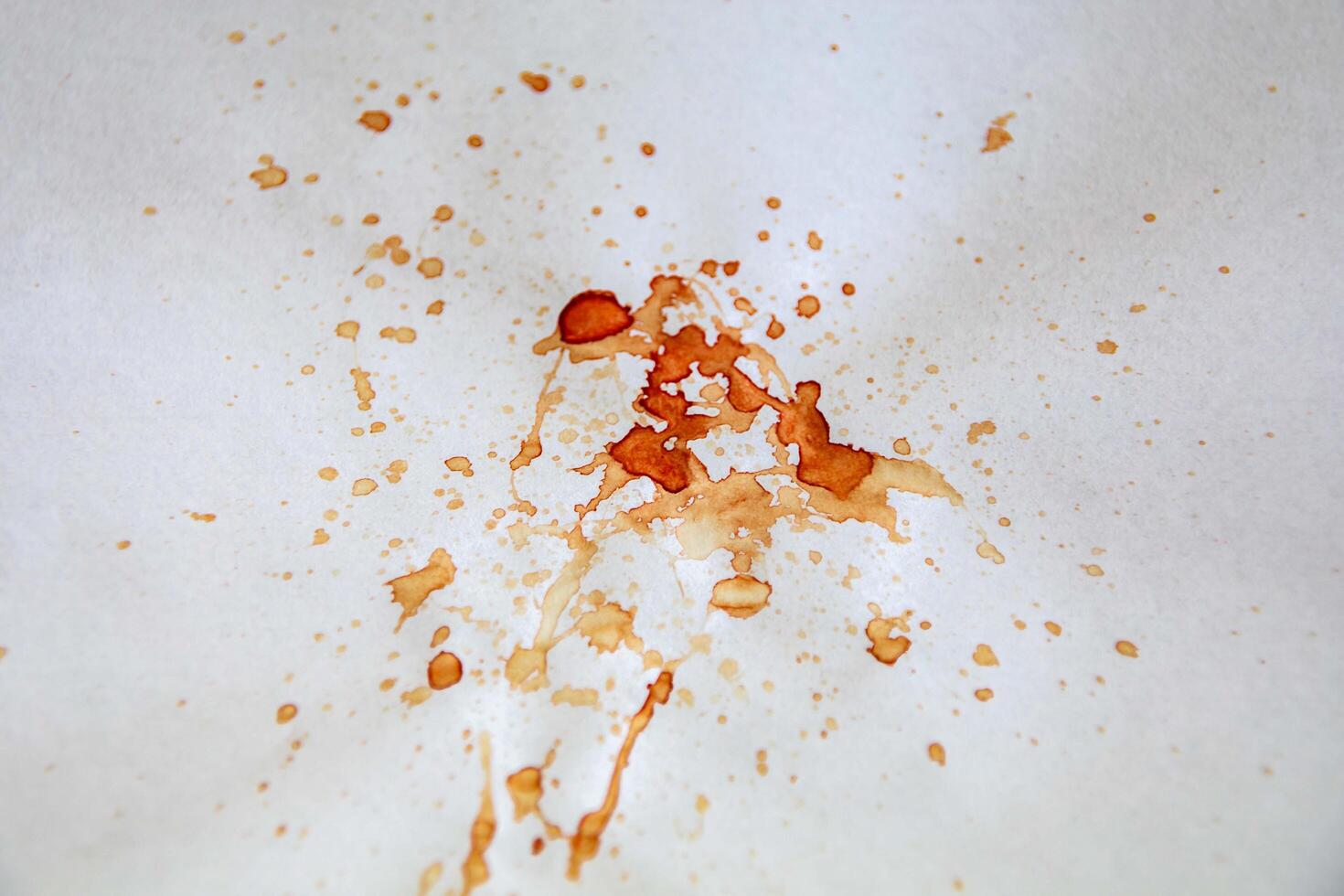
Treat coffee stains promptly for the best results.
How to Remove Grease Stains Naturally
Grease stains feel intimidating because oil repels water, making them seem impossible to wash out. But the trick lies in absorption before washing, not after.
As soon as you notice a grease stain, sprinkle a generous amount of baking soda or cornstarch directly onto the spot. Let it sit for at least 15 minutes so it can soak up the oil. Gently brush off the powder, then apply a small amount of dish soap directly onto the stain, working it in with your fingers or a soft brush.
Dish soap is specifically formulated to cut through grease, which is why it's often more effective than regular laundry detergent for this particular stain type. Let the soap sit for five to ten minutes before washing the garment in the warmest water safe for that fabric.
To remove grease stains that have already gone through the dryer — which can permanently set them — repeat the dish soap treatment two or three times, checking after each wash cycle before drying again. Never dry a garment with a visible grease stain, as heat will bond the oil to the fibers permanently.

Absorb oil first, then treat with dish soap for best results.
Removing Wine, Blood, and Grass Stains
Red Wine Stains
Blot immediately, then cover the stain generously with salt to absorb the liquid before it sets. Once dry, brush off the salt and rinse with cold water, then treat with a mixture of dish soap and hydrogen peroxide before laundering.
Blood Stains
Always use cold water for blood stains — hot water cooks the proteins into the fabric, making them nearly impossible to remove. Soak in cold water, then apply a small amount of hydrogen peroxide directly to the spot and watch it bubble as it lifts the stain.
Grass Stains
Common among families with active kids, grass stains respond well to a mixture of white vinegar and water applied directly, followed by gentle scrubbing with a soft brush before washing.
Each of these stains shares one thing in common: speed matters. The faster you act, the less time the stain has to bond chemically with the fabric.
General Laundry Hacks for Everyday Stains
Beyond specific stain types, a few broader laundry hacks can save you time and frustration across the board.
Always pre-treat stains before they go into the wash — tossing a stained item directly into the machine with detergent alone rarely removes anything beyond surface dirt. Keep a small spray bottle of diluted vinegar near your laundry area for quick pre-treatment on the go.
Sunlight is another underrated natural stain fighter. Drying stained (but treated) whites outdoors can naturally bleach out lingering discoloration, thanks to the sun's UV rays breaking down pigment molecules.
Finally, always check a treated garment before drying it. If any trace of the stain remains, repeat the treatment rather than risking the heat setting it permanently.
Common Mistakes That Set Stains Permanently
Even well-meaning stain removal attempts can backfire. One of the most common mistakes is using hot water on protein-based stains like blood or dairy, which causes the proteins to bind rather than release. Another frequent error is rubbing a stain vigorously, which spreads it further into the fibers instead of lifting it out.
Many people also make the mistake of drying a stained item before confirming the stain is fully gone. Heat is one of the fastest ways to permanently set a stain, turning what could have been a five-minute fix into a lost garment.
Pros and Cons of Natural Stain Removal
Gentle on skin and fabric, budget-friendly, environmentally responsible, uses easily accessible ingredients, safe around children and pets.
May require more time and repeated treatments, less effective on extremely old or set-in stains, results can vary by fabric type.
Frequently Asked Questions
Does vinegar damage clothes?
No, when diluted properly, white vinegar is safe for most fabrics and won't cause fading or damage.
Can I mix baking soda and vinegar together?
Yes, though they neutralize each other quickly, so it's best to apply them in separate steps for maximum stain-fighting power.
Are natural stain removers safe for colored clothing?
Generally yes, but always test on a hidden area first, especially with lemon juice or hydrogen peroxide.
How long can I wait before treating a stain?
The sooner, the better. Fresh stains respond far more easily than stains that have set for days or gone through a dryer cycle.
Conclusion
Stains happen — that's just a part of life. But they don't have to mean the end of your favorite clothes or a trip to buy harsh, expensive chemical removers. With a few pantry staples and a little know-how, you can confidently tackle coffee spills, grease splatters, wine mishaps, and more, all while keeping your home gentler and greener.
The next time disaster strikes your laundry basket, you'll know exactly what to reach for — no panic, no chemicals, just simple solutions that work.
Loved these natural laundry tips? Save this guide, share it with a friend who needs it, and explore more eco-friendly home hacks on our blog!
Internal Linking Suggestions: Link to related posts such as "Eco-Friendly Cleaning Products for Every Room," "How to Do Laundry the Sustainable Way," or "DIY Natural Cleaning Recipes."
External Linking Suggestions: Link to authoritative sources like EPA.gov (Safer Choice program) or a reputable fabric care resource such as the American Cleaning Institute for added credibility.

No comments:
Post a Comment