

Garden > House Plants
How to Grow and Care for 'Mona Lavender' Plectranthus: The Complete Beginner's Guide to Healthy Blooms and Beautiful Foliage

Introduction
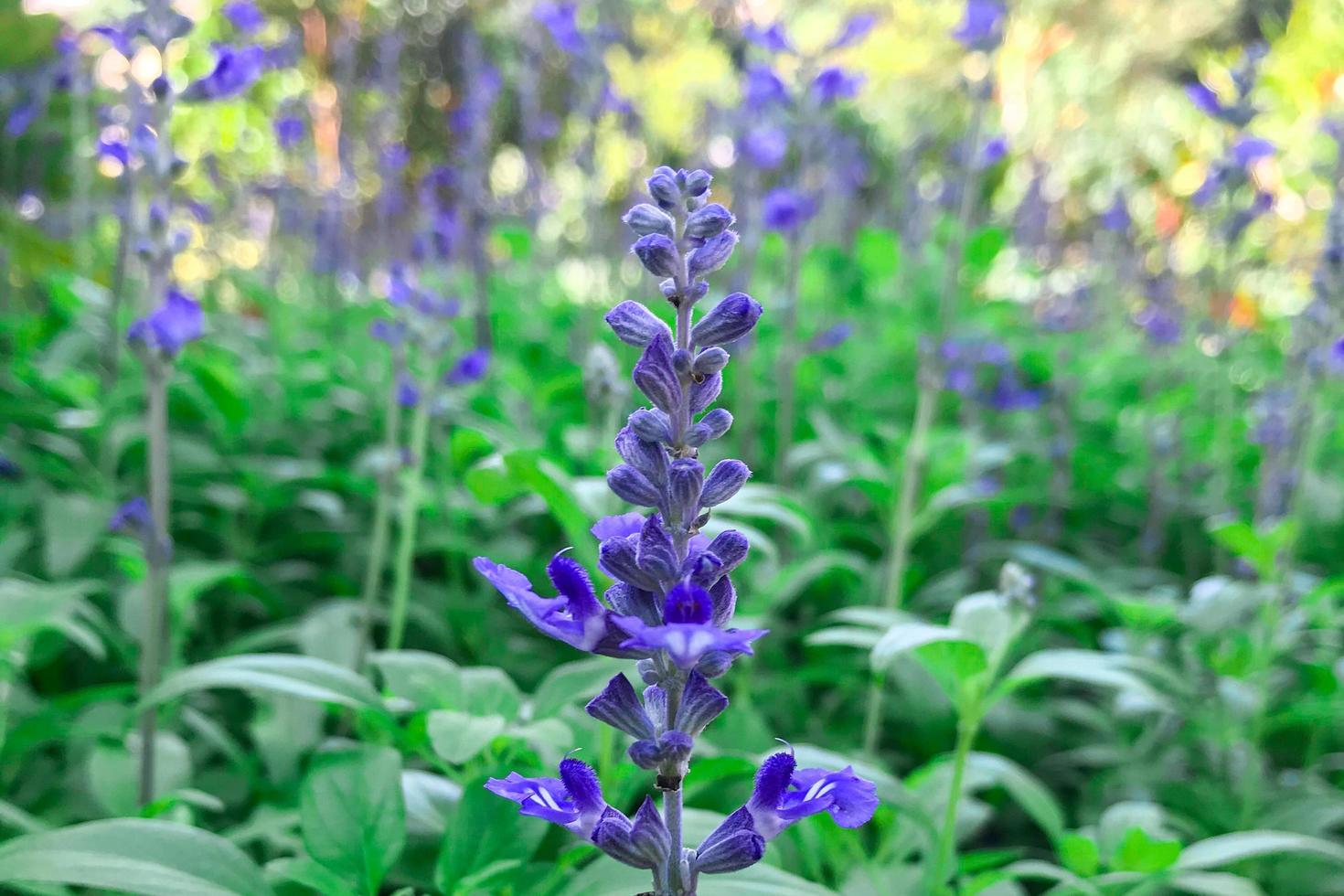
If you're looking for a low-maintenance flowering plant that adds vibrant color to your home, balcony, patio, or garden, 'Mona Lavender' Plectranthus is an outstanding choice. This attractive evergreen perennial is admired for its stunning lavender-purple flowers, glossy deep green leaves, and rich purple undersides that create year-round visual interest. Whether planted in garden beds, decorative containers, hanging baskets, or shaded patios, 'Mona Lavender' instantly brightens any space with its elegant appearance.
Unlike many flowering plants that require full sun, 'Mona Lavender' thrives in partial shade, making it perfect for gardeners who have limited sunlight. It is also relatively pest-resistant, drought-tolerant once established, and easy to maintain, making it ideal for beginners and experienced gardeners alike.
In this complete guide, you'll learn how to grow and care for 'Mona Lavender' Plectranthus, including the best soil, watering schedule, sunlight requirements, pruning techniques, fertilizing tips, propagation methods, common problems, and expert advice to keep your plant healthy and blooming for many years.

Plant Overview
'Mona Lavender' is a popular hybrid in the Plectranthus genus, developed for ornamental gardening. It belongs to the mint family (Lamiaceae), which includes many aromatic herbs and flowering plants.
Plant Information
Common Name: Mona Lavender
Botanical Name: Plectranthus 'Mona Lavender'
Plant Family: Lamiaceae
Plant Type: Evergreen Perennial
Mature Size: 18–24 inches tall and wide
Flower Color: Lavender-purple
Leaf Color: Glossy dark green with deep purple undersides
Bloom Season: Late summer through winter in many climates
USDA Hardiness Zones: 9–11
Why Gardeners Love Mona Lavender
'Mona Lavender' has become increasingly popular because it combines beautiful flowers with attractive foliage throughout the year. Even when it isn't blooming, its rich green leaves and purple undersides create a striking contrast.
Unlike many flowering ornamentals, it tolerates shade exceptionally well. This makes it an excellent choice for patios, covered porches, balconies, woodland gardens, and indoor spaces with bright indirect light.
The plant also attracts bees, butterflies, and other beneficial pollinators while requiring relatively little maintenance.
Choosing the Best Location
Location plays a major role in the long-term health of your plant.
'Mona Lavender' performs best where it receives bright filtered light or morning sunshine followed by afternoon shade. Too much direct afternoon sunlight may scorch the leaves, while excessive shade can reduce flowering.
Ideal growing locations include:
Covered patios
Shaded balconies
East-facing gardens
Bright indoor windows
Under taller shrubs or trees
Good air circulation also helps reduce disease problems.
Sunlight Requirements
One of the biggest advantages of 'Mona Lavender' is its adaptability to lower light conditions.
The plant prefers:
Bright indirect sunlight
Partial shade
Morning sun with afternoon protection
Avoid exposing the plant to harsh midday summer sun for long periods, especially in hot climates.
Plants receiving the proper amount of light generally produce more flowers and richer foliage color.
Best Soil for Mona Lavender
Healthy soil provides the foundation for vigorous growth.
'Mona Lavender' prefers loose, fertile, well-draining soil rich in organic matter.
An excellent soil mix includes:
Quality potting soil
Compost
Coco coir
Perlite
Pine bark fines
The soil should remain slightly moist but never soggy.
Heavy clay soils should be improved with organic matter before planting.
Planting Mona Lavender
Whether planting in the ground or containers, preparation is important.
Choose a container with drainage holes if growing in pots.
Fill the container with fresh, well-draining potting mix.
Plant at the same depth as it was growing in the nursery container.
Water thoroughly after planting to settle the soil around the roots.
Avoid burying the crown too deeply.
Watering Guide
Proper watering is one of the most important aspects of care.
'Mona Lavender' enjoys evenly moist soil but dislikes standing water.
Allow the top inch of soil to dry slightly before watering again.
During hot summer weather, watering may be needed more frequently.
In cooler months, reduce watering to prevent root problems.
Overwatering is far more dangerous than slight underwatering.
Fertilizing for Healthy Growth
Regular feeding encourages lush foliage and abundant flowers.
Apply a balanced water-soluble fertilizer every four to six weeks during spring and summer.
Organic options include:
Compost
Vermicompost
Fish emulsion
Seaweed fertilizer
Avoid excessive nitrogen, which may encourage leafy growth at the expense of flowers.
How to Encourage More Flowers
Flower production depends on proper care.
Provide:
Bright filtered light
Consistent watering
Balanced fertilizer
Regular pruning
Removing spent flower spikes encourages continued blooming and improves the plant's appearance.
Healthy plants may bloom for several months.
Pruning and Maintenance
Pruning helps maintain a compact, bushy shape.
Pinch growing tips regularly during the growing season to encourage branching.
Remove:
Dead flowers
Yellow leaves
Weak stems
Damaged growth
Annual pruning after flowering keeps the plant attractive and vigorous.
Propagating Mona Lavender
Propagation is simple and rewarding.
Stem cuttings root quickly in water or moist potting mix.
Choose healthy non-flowering stems approximately four to six inches long.
Remove lower leaves before placing the cutting into rooting medium.
Keep warm and lightly moist until roots develop.
Many gardeners produce multiple new plants each year using this method.
Growing Mona Lavender Indoors
'Mona Lavender' adapts well to indoor conditions.
Place the plant near a bright window with indirect sunlight.
Rotate the pot occasionally to encourage even growth.
Maintain moderate humidity and avoid placing the plant near heating vents or air conditioners.
Indoor plants generally require less frequent watering than outdoor specimens.
Growing in Containers
Container gardening is one of the best ways to enjoy Mona Lavender.
Use decorative pots with good drainage.
Refresh potting mix every two to three years.
Repot when roots become crowded.
Container-grown plants are easy to move indoors during cold weather.
Seasonal Care
Spring
New growth begins.
Increase watering and fertilization.
Summer
Monitor soil moisture carefully.
Protect from harsh afternoon sun.
Autumn
Flower production increases.
Continue light feeding.
Winter
Reduce watering.
Protect from frost.
Indoor plants may continue blooming through winter.
Common Problems
Although relatively easy to grow, Mona Lavender can occasionally develop problems.
Yellow Leaves
Usually caused by overwatering or poor drainage.
Brown Leaf Tips
Often caused by dry air or inconsistent watering.
Leggy Growth
Insufficient light commonly results in elongated stems.
Root Rot
Develops in constantly wet soil.
Good drainage prevents most root diseases.
Common Pests
The plant is generally resistant but may occasionally attract:
Aphids
Mealybugs
Spider mites
Whiteflies
Treat infestations early using insecticidal soap or neem oil.
Routine inspection helps prevent serious outbreaks.
Is Mona Lavender Safe for Pets?
Like many ornamental plants, ingestion may cause mild digestive upset in cats and dogs.
Place plants out of reach of curious pets and consult a veterinarian if ingestion occurs.
Landscape Uses
'Mona Lavender' works beautifully in:
Shade gardens
Woodland borders
Patio containers
Hanging baskets
Mixed flower beds
Indoor decorative displays
Its vibrant flowers pair well with ferns, caladiums, coleus, and hostas.
Expert Growing Tips
Experienced gardeners recommend:
Avoid overwatering.
Provide bright indirect light.
Pinch stems regularly.
Feed during active growth.
Use well-draining soil.
Remove spent blooms promptly.
These simple practices encourage healthier plants and longer flowering seasons.
Conclusion
'Mona Lavender' Plectranthus is one of the most rewarding flowering plants for gardeners seeking vibrant blooms with minimal maintenance. Its striking lavender flowers, glossy green foliage, and adaptability to partial shade make it an excellent choice for indoor spaces, balconies, patios, and gardens.
By providing bright indirect light, well-draining soil, moderate watering, regular pruning, and occasional feeding, you can enjoy a healthy, compact plant that flowers beautifully year after year. Whether you're a beginner or an experienced plant enthusiast, Mona Lavender offers reliable beauty and easy care that enhances any garden or home.
Frequently Asked Questions
Is Mona Lavender an indoor or outdoor plant?
It grows well both indoors and outdoors in bright indirect light or partial shade.
How often should I water Mona Lavender?
Water when the top inch of soil becomes dry. Avoid keeping the soil constantly wet.
Does Mona Lavender bloom year-round?
In warm climates, it often blooms from late summer through winter with proper care.
Can Mona Lavender grow in full sun?
Morning sun is beneficial, but harsh afternoon sun may damage the leaves.
Is Mona Lavender easy for beginners?
Yes. Its low-maintenance nature, attractive foliage, and reliable blooms make it an excellent choice for beginner gardeners.
Internal Linking Suggestions
Best Flowering Plants for Home Gardens
How to Water Houseplants Properly
Common Houseplant Problems and Solutions
Best Low-Maintenance Indoor Plants
How to Grow Lavender Successfully at Home

No comments:
Post a Comment