

By SALAUDDIN KAWSAR ǀ Published on 03/03/2026
There’s a simple, quiet magic to sipping your morning coffee and being serenaded by a symphony of tweets and trills. It’s a scene that plays out in millions of backyards, yet it’s easy to overlook the tiny, feathered performers putting on the show. Welcome to the wonderful world of backyard birding! You don't need to be an expert or trek through a rainforest to appreciate the beauty of wild birds. Some of the most stunning and fascinating creatures are likely visiting your garden, balcony, or local park right now.
Whether you're a nature lover, a home gardener curious about your pollinators, or someone simply looking for a peaceful new hobby, learning to identify your avian neighbors is incredibly rewarding. This guide will introduce you to the best wild birds to spot in your backyard, offering practical tips on how to identify wild birds, understand their behaviors, and create a welcoming habitat. Get ready to look at your outdoor space with fresh eyes and discover the vibrant life that shares your home.
In This Article
- Daily Visitors: The Most Common Backyard Birds
- A Pop of Color: Attracting More Colorful Wild Birds
- How to Identify Wild Birds: A Beginner's Toolkit
- Creating a Bird-Friendly Backyard Haven
- Seasonal Shows: Migratory Birds You Might See
- Don't Miss This: Pro Tips for Beginner Bird Watchers
Daily Visitors: The Most Common Backyard Birds

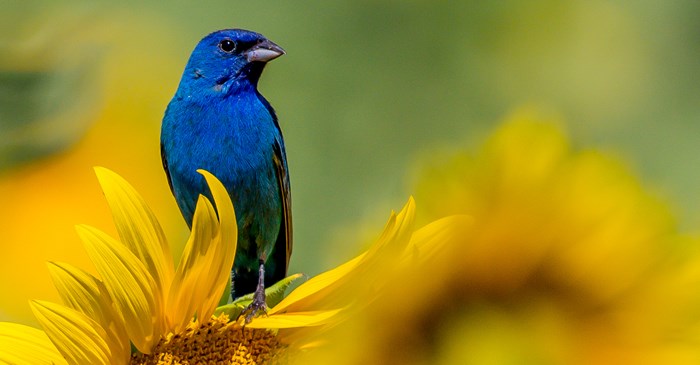
A Pop of Color: Attracting More Colorful Wild Birds
|
| An American Goldfinch on a sunflower and a Blue Jay on a birdbath |
How to Identify Wild Birds: A Beginner's Toolkit
 |
| Someone using binoculars and a field guide in a garden |
Creating a Bird-Friendly Backyard Haven
Seasonal Shows: Migratory Birds You Might See
Just when you think you know all the regulars, the seasons change, and a wave of new visitors passes through your yard. These are the migrants, birds traveling thousands of miles between their breeding and wintering grounds. Your backyard can become a crucial pit stop, a rest area offering food and water for their long journey. Spotting these travelers is a highlight for any beginner bird watcher.
In the spring and fall, keep an eye out for the various warblers. These tiny, often colorful birds are constantly on the move, flitting through trees and shrubs as they hunt for insects. While they can be frustrating to identify (earning them the nickname "confusing fall warblers"), their presence is a sign of the changing seasons. You might spot the bright yellow Yellow-rumped Warbler, one of the hardiest and most common warbler species, easily identified by its signature yellow rump patch.
Another beautiful transient is the Cedar Waxwing. These birds look like they were painted by an artist, with their sleek, brown plumage, black mask, and waxy red tips on their wing feathers. They travel in large, nomadic flocks, descending on a tree with abundant berries (like cedar berries, hence the name) and devouring every last one. Watching a flock of waxwings pass berries to each other along a branch is a spectacular sight.
Even some of our common birds have migratory patterns. While many American Robins stay put, huge flocks from the north will move into an area for the winter, feasting on fruit trees. The key to enjoying these seasonal shows is to be observant. Pay attention to what birds are around at different times of the year. A sudden flurry of activity in your yard might not just be the usual crowd; it could be a flock of travelers stopping by for a much-needed meal.
"Don't Miss This" Section
You've got your feeder up and your binoculars ready. Now, let's fast-track your success with some insider advice. Avoiding common mistakes and employing a few expert tips will make your birding experience richer and safer for the birds.
Window Collisions are a Silent Killer. It's estimated that up to 1 billion birds die each year in the U.S. from hitting windows. This is a heartbreaking but preventable problem. Break up the reflection on your windows by placing decals, screens, or even simple soap bars on the outside. Placing feeders either very close to the window (within 3 feet) or very far away can also help, as birds won't hit the glass with as much force if they take off from the feeder.
The Importance of Cleanliness. A dirty feeder can be a death trap, spreading diseases like salmonella and conjunctivitis among your feathered friends. Make it a habit to clean your feeders thoroughly every couple of weeks with a solution of one part bleach to nine parts water. Scrub well, rinse completely, and let them dry before refilling. Clean your birdbath just as often.
Patience is a Virtue. Don't be discouraged if birds don't flock to a new feeder immediately. It can take days or even weeks for them to discover it. Be patient, keep the food fresh, and they will eventually find it. The first bird to visit your new setup will feel like a major victory.
Embrace Technology. There are incredible apps available that can revolutionize your birding. The Cornell Lab of Ornithology's Merlin Bird ID app can help you identify a bird from a photo or by answering a few simple questions. Their other app, eBird, is a global database where you can log your sightings and contribute to real-world science. It’s incredibly exciting to see your observations added to a global map!
1. What is the best type of bird feeder for a beginner?
A hopper feeder or a simple tube feeder filled with black-oil sunflower seeds is perfect for beginners. Sunflower seeds attract the widest variety of birds, giving you a great introduction to your local species.2. When is the best time of day for bird watching?
Early morning is generally the best time, as birds are most active after a night of fasting and are busy foraging for food. Late afternoon can also be a good time as they feed again before roosting for the night.3. Should I stop feeding birds in the summer?
No, you don't need to stop. While natural food is more abundant, birds still appreciate the easy meal, especially during the demanding breeding season when they are feeding hungry nestlings. Just be extra vigilant about keeping your feeder clean in the warm weather.4. Why are the birds not eating the food I put out?
There could be several reasons. The seed might be old or spoiled. The feeder might be in a spot that feels unsafe (too open, too close to where a cat hides). Sometimes, it just takes time for the local birds to discover a new food source. Patience is key.5. How can I identify a bird I saw if I didn't get a photo?
Use the "bird by memory" method. Immediately after seeing it, note its size, shape, major colors, and any distinctive markings (like an eye stripe). Note its behavior and what it was eating. Then, use a field guide or an app like Merlin, which can ask you these questions and suggest possible matches.6. What should I do if I find a baby bird on the ground?
In most cases, you should leave it alone. If it's a fledgling (fully feathered and hopping around), its parents are likely nearby watching over it. If it's a nestling (with few or no feathers) and you can safely reach the nest, you can gently place it back. It is a myth that parent birds will reject a chick because of human scent.7. What are the best native plants for attracting birds?
This depends on your region, but some great options include sunflowers (for seeds), coneflowers (for seeds), bee balm (for hummingbirds), serviceberry (for fruit), and various oaks (which host hundreds of insect species that birds eat). Check with a local native plant nursery for the best choices in your area.8. How do I keep squirrels out of my bird feeders?
Squirrels are persistent, but you can outsmart them. Use a baffle—a dome-shaped or tube-shaped guard—placed above or below your feeder. Consider buying a "squirrel-proof" feeder that closes when a heavy animal (like a squirrel) lands on it. Offering them their own feeder with corn or peanuts in a different part of the yard can also distract them. ---PROS & CONS SECTION
While backyard birding is an overwhelmingly positive hobby, it's good to be aware of all aspects.
Pros of Backyard Bird Watching
Stress Relief: The simple act of watching birds is meditative and proven to reduce stress and improve mental well-being.
Educational: It's a living classroom for you and your family, teaching about biology, seasons, and local ecosystems.
Supports Conservation: By providing habitat and contributing to citizen science (like eBird), you directly help bird populations.
Connects You to Nature: It fosters a deep appreciation for the natural world right outside your door.
Low-Cost & Accessible: You can start with as little as a simple feeder and a free app.
Cons to Consider
Ongoing Maintenance: Feeders and birdbaths require regular cleaning to prevent disease.
Cost of Supplies: High-quality seed, feeders, and equipment can become an investment over time.
Potential for Pests: Unfortunately, feeders can sometimes attract unwanted visitors like squirrels, rats, or even bears in certain areas.
Window Collision Risk: As mentioned, this is a serious issue that requires proactive management.
Predators: Your bird-friendly yard might also attract neighborhood cats or hawks, which can be distressing to witness.
FINAL CONCLUSION
The journey into the world of backyard birds is one of continuous discovery. It's a hobby that rewards patience with moments of breathtaking beauty—a sunlit cardinal in the snow, the frantic hover of a hummingbird, the first warbler of spring. You've learned about the common backyard birds that will become your daily companions, how to attract more colorful wild birds, and developed the skills for how to identify wild birds. Your backyard is no longer just a garden; it's a sanctuary, a stage, and a window into a much wilder world.
We hope this beginner bird watching guide has inspired you to look a little closer at the life around you. Now it's your turn. Grab a pair of binoculars, set up a simple feeder, and start watching. We'd love to hear about your first sightings! What birds have you spotted in your yard? Share your stories in the comments below, and don't forget to share this guide with another nature lover who's ready to discover the joy of birding.
INTERNAL & EXTERNAL LINKING SUGGESTIONS
Internal Links (Suggestions for future blog posts):
The Ultimate Guide to Choosing the Right Bird Feeder
Top 10 Native Plants to Transform Your Garden into a Bird Paradise
How to Make Your Own Hummingbird Nectar (The Right Way)
A Guide to Common Backyard Bird Eggs and Nests
Dealing with Squirrels: A Humorous and Practical Guide
External Links (Suggestions for high-authority sources):
The Cornell Lab of Ornithology (All About Birds website) – The leading authority on bird science.
The National Audubon Society – A premier conservation organization with excellent regional guides.
All About Birds (by Cornell) – For specific species pages and bird calls.
The American Birding Association – For ethical guidelines and advanced birding resources.
Research from a major university's ornithology department (e.g., Cornell, University of Florida) regarding bird migration or conservation.

No comments:
Post a Comment